Typical costs
A full exterior repaint of a Victorian terraced house typically costs £3,000–£6,000 including scaffolding, while a large semi-detached or detached Victorian villa can cost £6,000–£12,000 or more. Painting only the front elevation of a terrace is often £2,000–£4,000, because the scaffold is usually the single biggest line on the quote.
| Property | Front elevation only | Whole exterior |
|---|---|---|
| Two-storey terrace | £1,800 – £3,500 | £3,000 – £5,500 |
| Three-storey terrace | £2,800 – £5,000 | £4,500 – £8,000 |
| Semi-detached villa | £3,000 – £5,500 | £6,000 – £10,000 |
| Large detached villa | – | £8,000 – £15,000+ |
Indicative costs to paint a Victorian house exterior (2026, including access)
Why Victorian houses cost more
There's simply more to paint, and more of it is fiddly. A typical Victorian front might have a bay with mouldings, a decorative porch, sash windows with glazing bars, cornices, window surrounds, a parapet and cast-iron railings. Each of those takes careful brushwork.
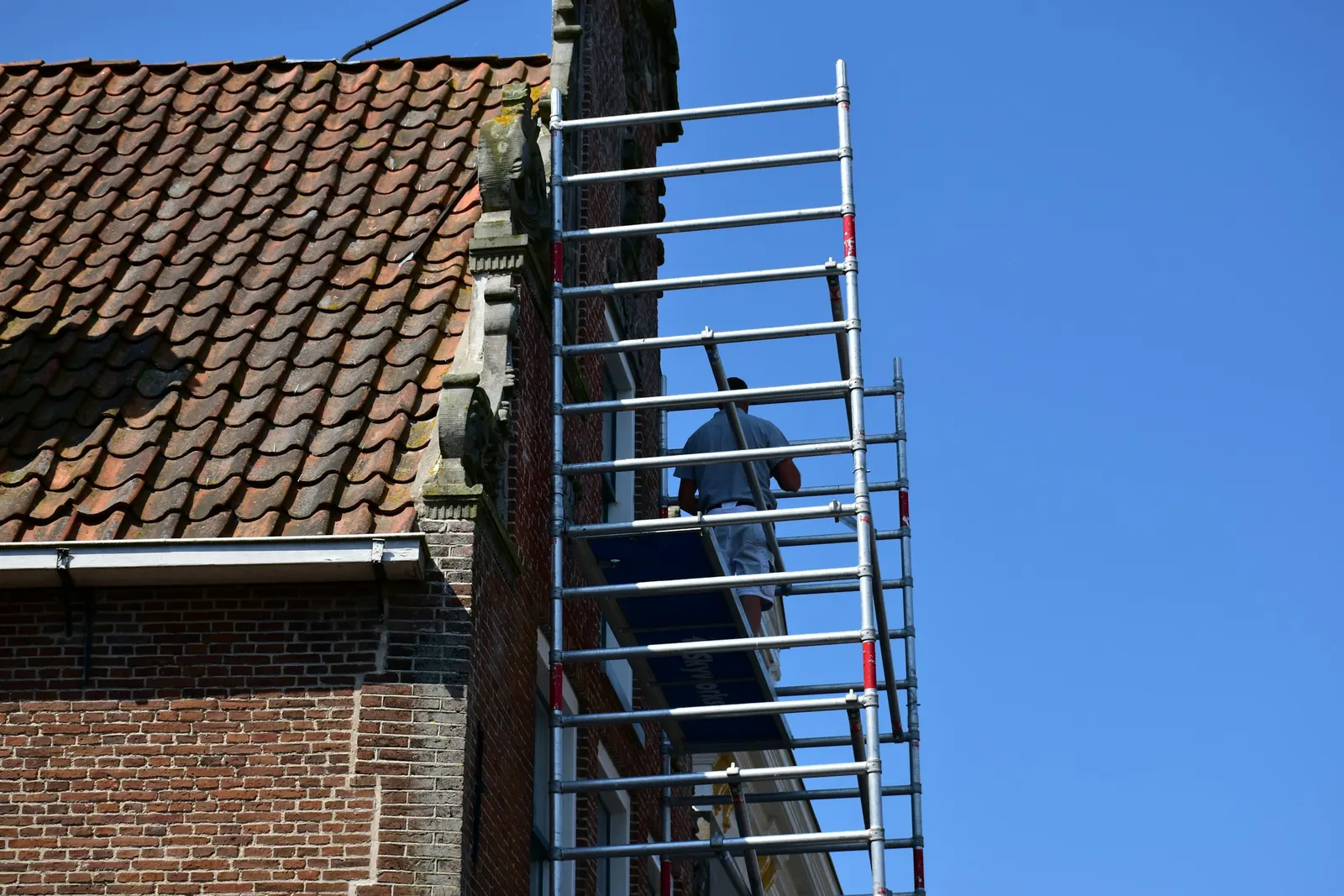
Height is the other factor. Ceilings in Victorian houses are tall, which means the walls are too. A two-storey Victorian terrace can be as tall as a modern three-storey house, and full scaffolding is almost always needed.
- Tall elevations and scaffolding, often needing a pavement licence
- Sash windows – slow to prepare, fill and paint, and often need repairs
- Stucco, cornices and mouldings that need careful filling and cutting in
- Old surfaces that may contain lead paint
- Lime render or soft brick that needs breathable paint
Sash windows
Sash windows can easily make up a third of the total cost. A painter will usually need to scrape back loose paint, cut out and replace failed putty, fill rot with resin filler, prime bare timber, and then apply undercoat and top coats – all while keeping the sashes able to slide. Expect to pay around £150–£400 per sash window for good preparation and painting, more if splice repairs are needed.
Our guide to painting windows and front doors explains what good preparation looks like.
Breathable paint and lime render
Many Victorian houses were built with solid walls and lime mortar or render, designed to let moisture in and out. Covering them with modern, non-breathable masonry paint can trap moisture, leading to damp, flaking and blown render. Specialist breathable paints such as silicate or lime-based systems are often the right choice, and they cost more per litre.
If you're not sure what your walls are made of, ask the painter – a good one will check. Our guide to breathable paints for old homes goes into more detail.
Rather leave it to a professional?
Lead paint
Houses built before the 1960s often have layers of lead paint, particularly on windows and doors. It's only a hazard when it's disturbed, but dry sanding and burning off release dangerous dust and fumes. A professional painter should test for lead and use wet abrasion, chemical strippers or contained methods. Our article on lead paint and Artex explains the precautions.
Scaffolding and licences
Scaffolding a Victorian terrace commonly costs £1,200–£3,000 depending on height and access. If it stands on the pavement – which is usual on a terrace – the scaffolding firm will need a licence from the council, which can take a couple of weeks. It's worth planning other jobs while it's up: chimney repointing, gutter repairs, or roof work.
You can compare quotes from local scaffolding firms separately, or ask your painter to include it.
Conservation areas and colours
Many Victorian streets are in conservation areas. You don't normally need permission to repaint in the same colour, but changing colours – especially on the front – or painting previously unpainted brick may need consent under an Article 4 direction. Check with your local planning department first. When you're ready, get quotes from exterior painters who have experience with period properties.