Why timber windows and doors fail
Paint on outside joinery fails where water gets in: at the bottom of doors, on sills, at joints and anywhere paint has cracked. Once water reaches bare timber, it soaks in, the paint lifts further and rot can start. South-facing doors and windows also get baked by the sun, which breaks paint down faster.
Preparation and repairs
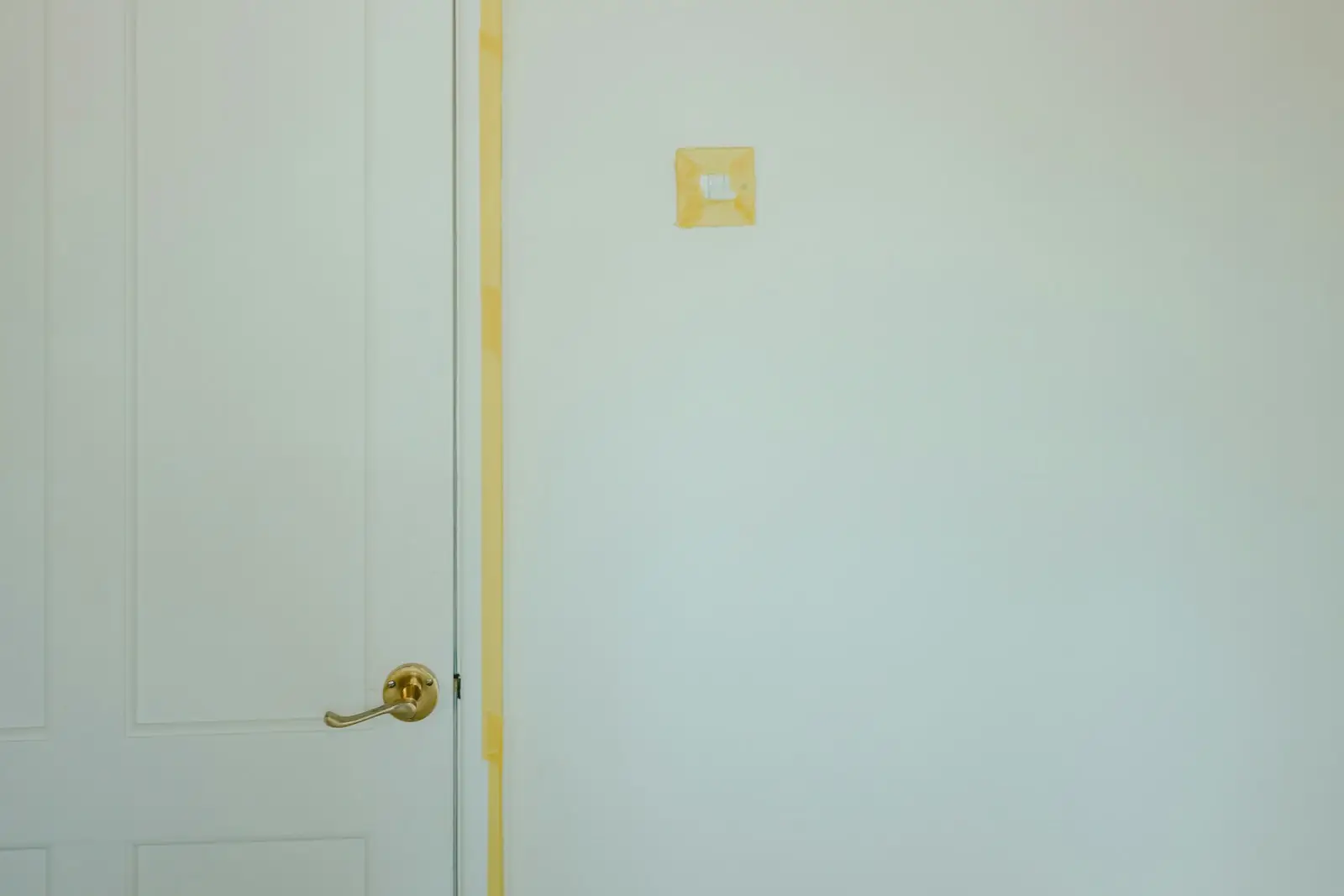
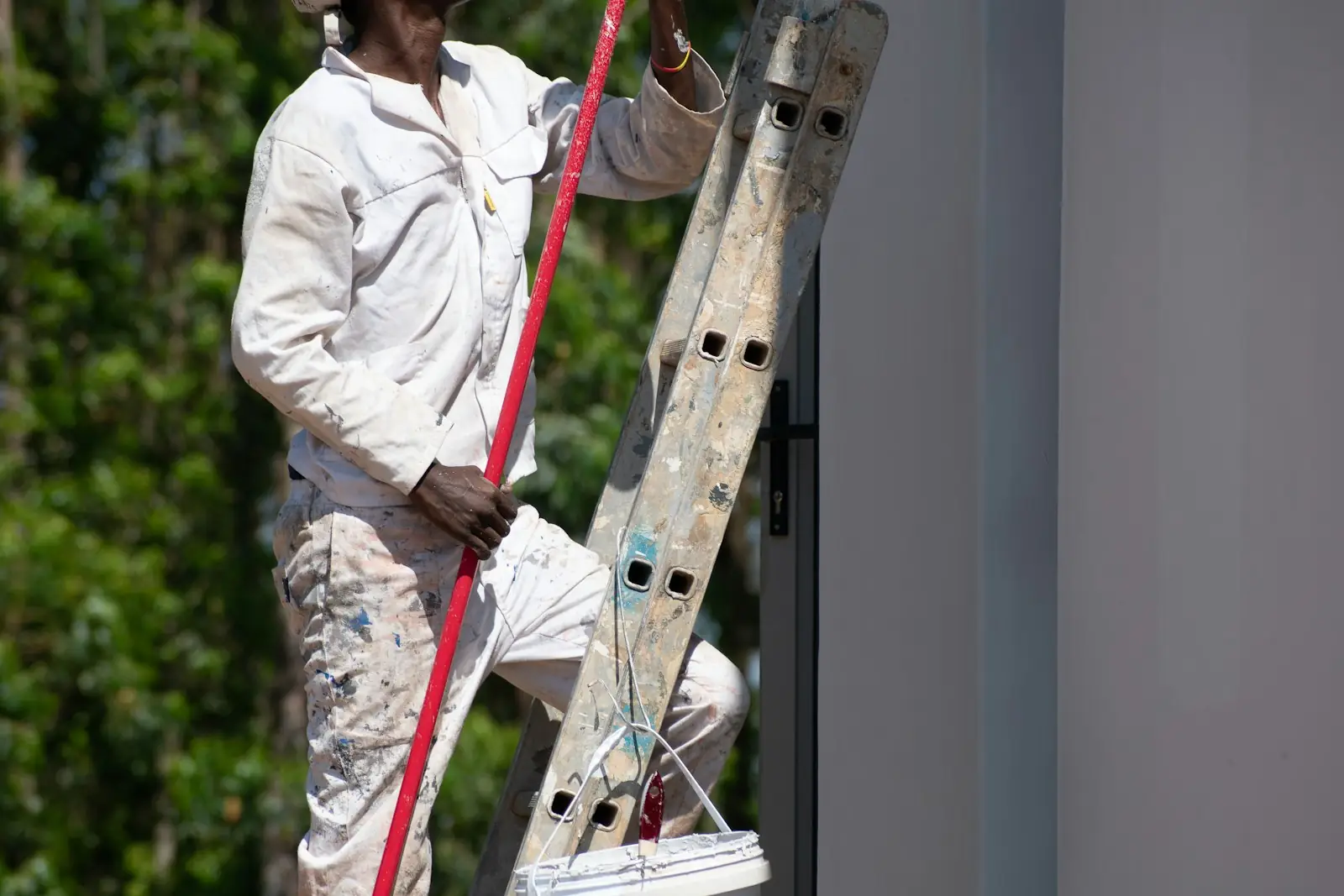
A good exterior painter spends most of the time on preparation:
- Scrape back loose and flaking paint
- Sand to a smooth, sound surface
- Cut out soft or rotten timber and repair with resin or new wood
- Check and replace failed putty on older windows
- Prime bare timber and treat knots
- Apply undercoat and top coats
Sash windows
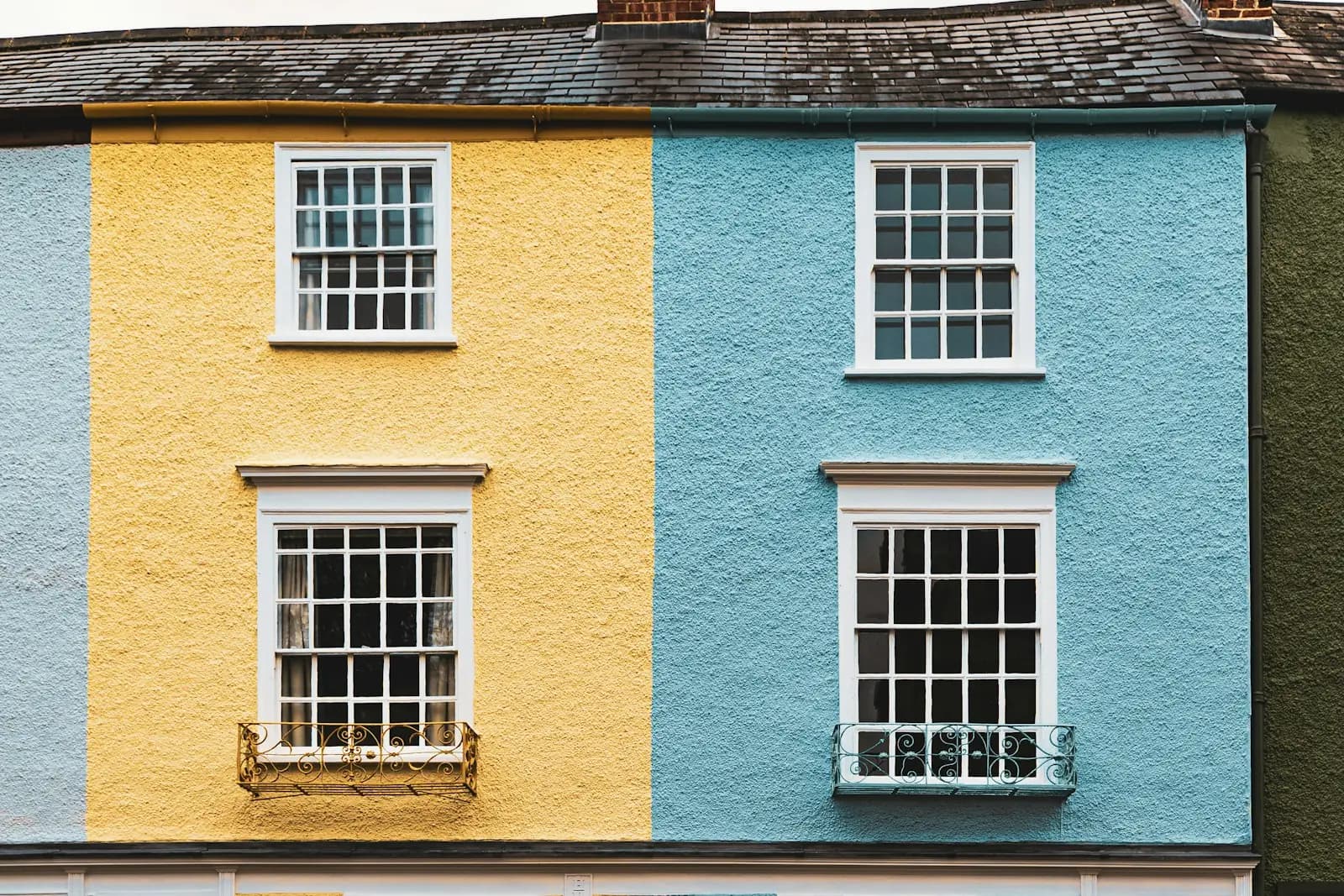
Traditional sash windows need special care. The sashes should be painted so they still slide, without paint sealing them to the frame or clogging the runners. Many decorators paint them in stages, moving the sashes between coats. If your sashes are already painted shut or rattle badly, a sash window specialist may need to overhaul them first.
Rather leave it to a professional?
Describe the job and compare free quotes from painters and decorators near you.
- Free to use
- No obligation
- Compare local painters
- Quick online form
You'll continue to our quotes partner, MyJobQuote, to describe your painting job.
Choosing a colour for your front door
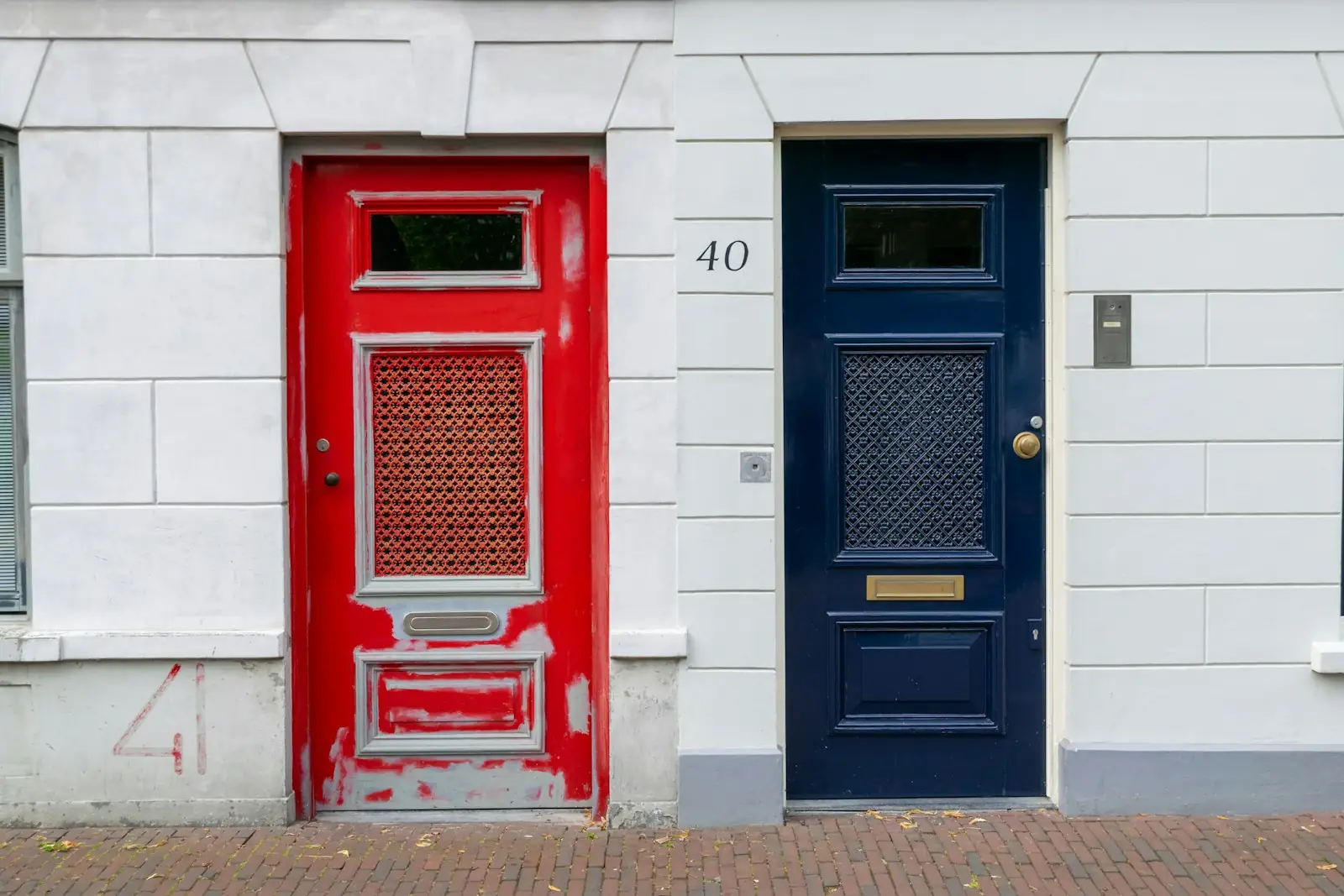
Front doors are a chance to have a bit of fun. Deep navy, black, green and heritage reds are classic British choices; brighter colours suit colourful terraces. If your home is listed or in a conservation area, check whether there are rules on door colours before you commit.
Keeping on top of maintenance
A quick check each spring – looking at sills, the bottom of doors and the joints of window frames – lets you catch small cracks before water gets in. Washing painted joinery once or twice a year also helps the finish last longer.