Why woodwork takes longer than walls
A door has panels, mouldings, edges and a frame, all of which need careful brushwork. Skirting boards and architraves have profiles to follow and corners to get into. And because woodwork gets knocked, it usually has dents, chips and old drips that need dealing with first. That's why woodwork can take as long as the walls in some rooms.
The preparation steps
Good woodwork is all about the prep. A decorator will typically:
- Wash down to remove grease and grime
- Sand to remove gloss, smooth old drips and give the new paint something to grip
- Fill dents and holes with a fine filler, then sand flush
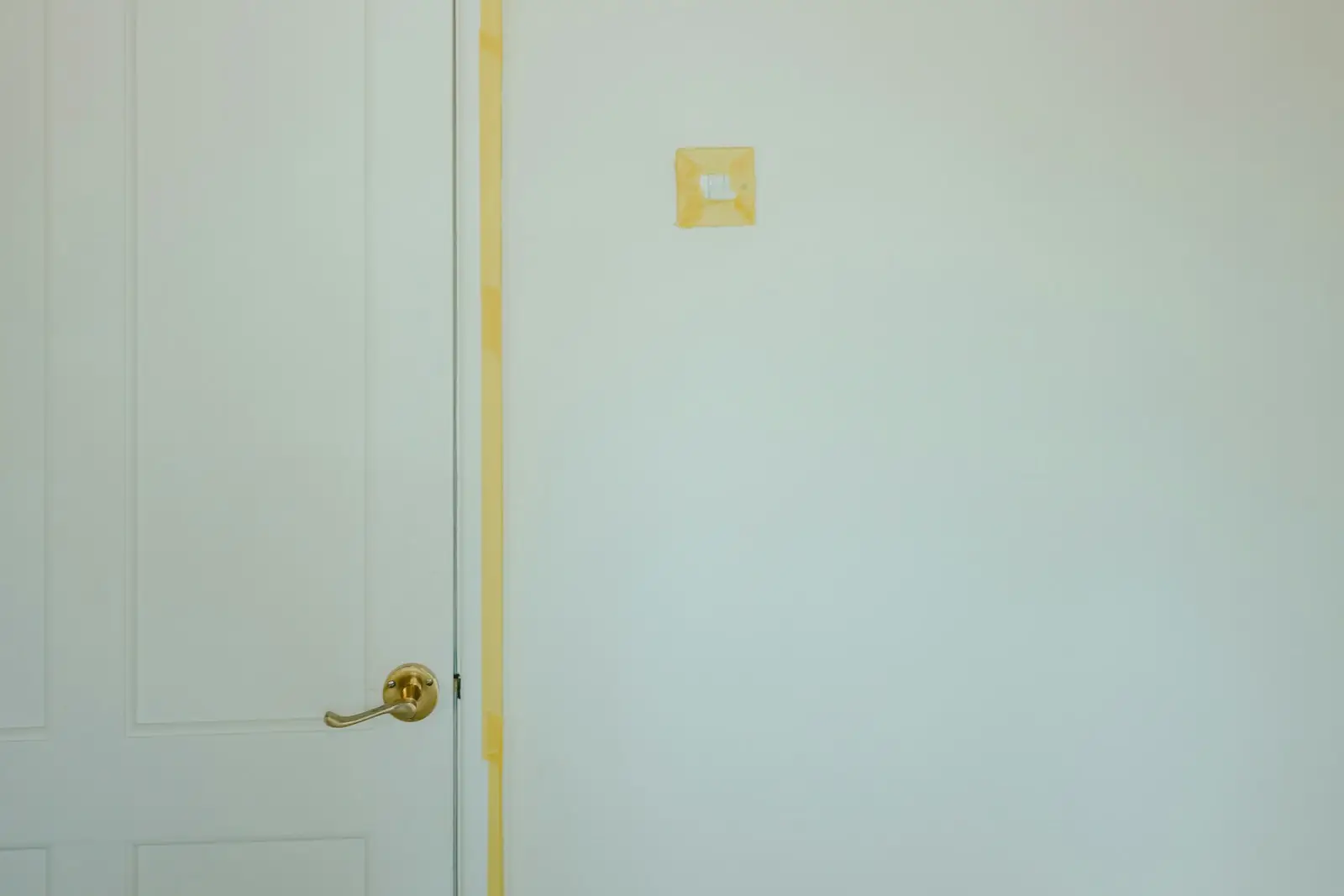
- Caulk gaps between the skirting and wall, and around frames
- Treat knots in bare softwood with knotting solution
- Prime bare wood and apply undercoat where needed
Rather leave it to a professional?
Describe the job and compare free quotes from painters and decorators near you.
- Free to use
- No obligation
- Compare local painters
- Quick online form
You'll continue to our quotes partner, MyJobQuote, to describe your painting job.
Choosing a finish
Satin is the most common choice now, with eggshell for a softer look and gloss for a traditional one. Water-based trim paints stay white and dry quickly; oil-based paints give a very smooth finish but take longer to dry and may yellow. Our guide to water-based versus oil-based paint covers this in more detail.
Doors, banisters and spindles
Panelled doors are painted in a particular order – panels first, then the middle sections, then the outer frame – to avoid lap marks. Doors are often taken off their hinges or have handles removed for a cleaner finish.
Staircases with lots of spindles are slow work and are usually priced separately. If you want the handrail left as natural wood, mention it when you request quotes.