Internal Painting & Decorating Quotes
One tired bedroom, a hallway and stairs, or the whole house before you move in – describe the job once and compare quotes from decorators who work near you.
- Walls and ceilings
- Single rooms or whole homes
- Woodwork and doors
- Feature walls
- Wallpaper removal
- Hallways, stairs and landings

Interior decorating is the work most people picture when they think of a painter and decorator: fresh walls and ceilings, crisp skirting boards and doors, and a room that finally looks finished. Done properly, it is also one of the most cost-effective ways to change how a home feels.
What separates a professional job from a weekend one is rarely the final coat. It is the filling, sanding, sealing and masking that happen first, the order the work is done in, and the experience to know which paint suits a steamy bathroom, a busy hallway or freshly plastered walls.
Through Painter Quotes you can describe the rooms and surfaces you want doing and hear back from local decorators. The more detail you give – room sizes, ceiling heights, the state of the walls, photos if you have them – the more accurate and comparable the quotes will be.
Interior jobs local decorators quote for
Room painting
Bedrooms, living rooms, kitchens, bathrooms and box rooms – walls, ceiling and woodwork, or just the walls if that's all that needs doing.
Walls and ceilings
Fresh emulsion on tired walls, stained or cracked ceilings brought back to a clean finish, and mist coats on new plaster.
Hallways, stairs and landings
Usually the hardest-working and hardest-to-reach area of the house. Decorators use stair platforms or towers to reach over the stairwell safely.
Woodwork and doors
Skirting boards, architraves, doors, banisters and window boards – sanded, filled and finished in satin, eggshell or gloss.
Feature walls and colour changes
A single bold wall, a full colour change or a dark, enveloping scheme – with the extra coats strong colours usually need.
Wallpaper removal and lining
Stripping old paper, repairing the plaster underneath and lining or painting the walls ready for a fresh finish.
Painting walls and ceilings
Most decorators work from the top down: ceilings first, then walls, then woodwork. That way drips and splashes only ever land on surfaces that haven't been painted yet. Ceilings are usually done in a flat white or off-white matt, while walls are typically given two coats of emulsion once the surface has been prepared.
New plaster is a special case. It needs to dry out thoroughly – often several weeks, depending on thickness and the time of year – and then a thinned 'mist coat' so the following coats bond properly instead of peeling. Water stains, smoke marks and old nicotine staining need a stain-blocking primer first, or they tend to bleed back through fresh emulsion.
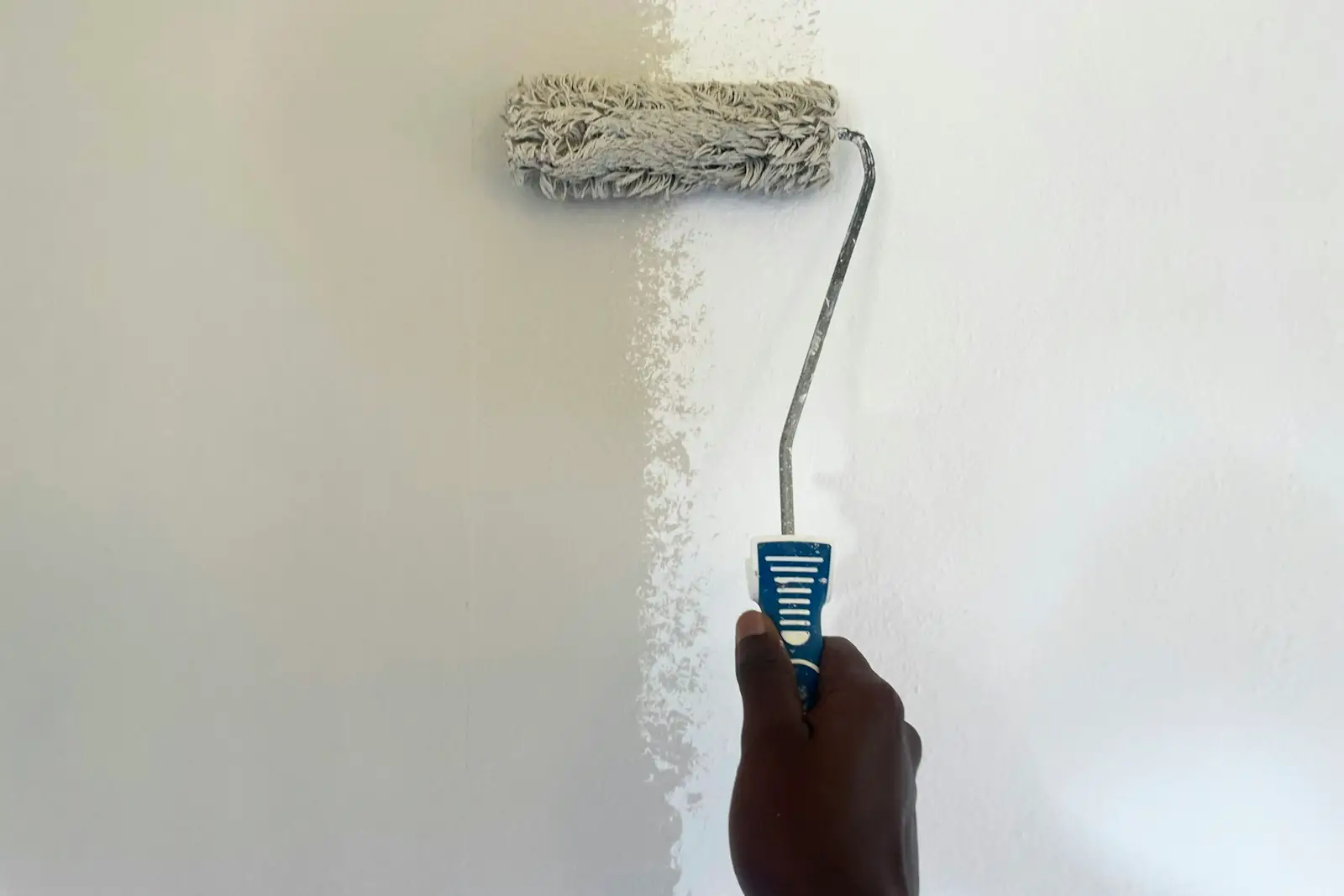
Preparation: where most of the time goes
On a typical interior job, preparation can take as long as the painting itself – sometimes longer in an older house. It is also the part that is easiest to skimp on, which is why it is worth asking every decorator to describe what they will do before the first coat goes on.
- Moving or covering furniture and laying dust sheets over floors
- Filling cracks, holes and dents, then sanding them flush
- Washing down greasy or marked areas such as kitchens and hallways
- Sealing stains with a stain-blocking primer
- Caulking gaps between skirting boards, architraves and walls
- Sanding and priming bare or previously glossed woodwork
- Masking switches, sockets, glazing and edges where needed
Single rooms, hallways and whole homes
A single bedroom or living room is the most common interior job and can often be finished in a few days, depending on its size and condition. Kitchens and bathrooms need paints that cope with moisture and regular cleaning, and the cutting-in around units and tiles adds time.
Hallways, stairs and landings are usually priced separately because of the height over the stairwell and the amount of woodwork – spindles, handrails, doors and skirting. If you are decorating the whole house, it often makes sense to do the hallway last, after furniture has been carried through for the other rooms.
Whole-house redecoration is common before a sale, after buying a property, or at the end of a tenancy. Decorators generally work room by room so you can keep living in the house, and an empty property is quicker – and therefore usually cheaper – to paint.
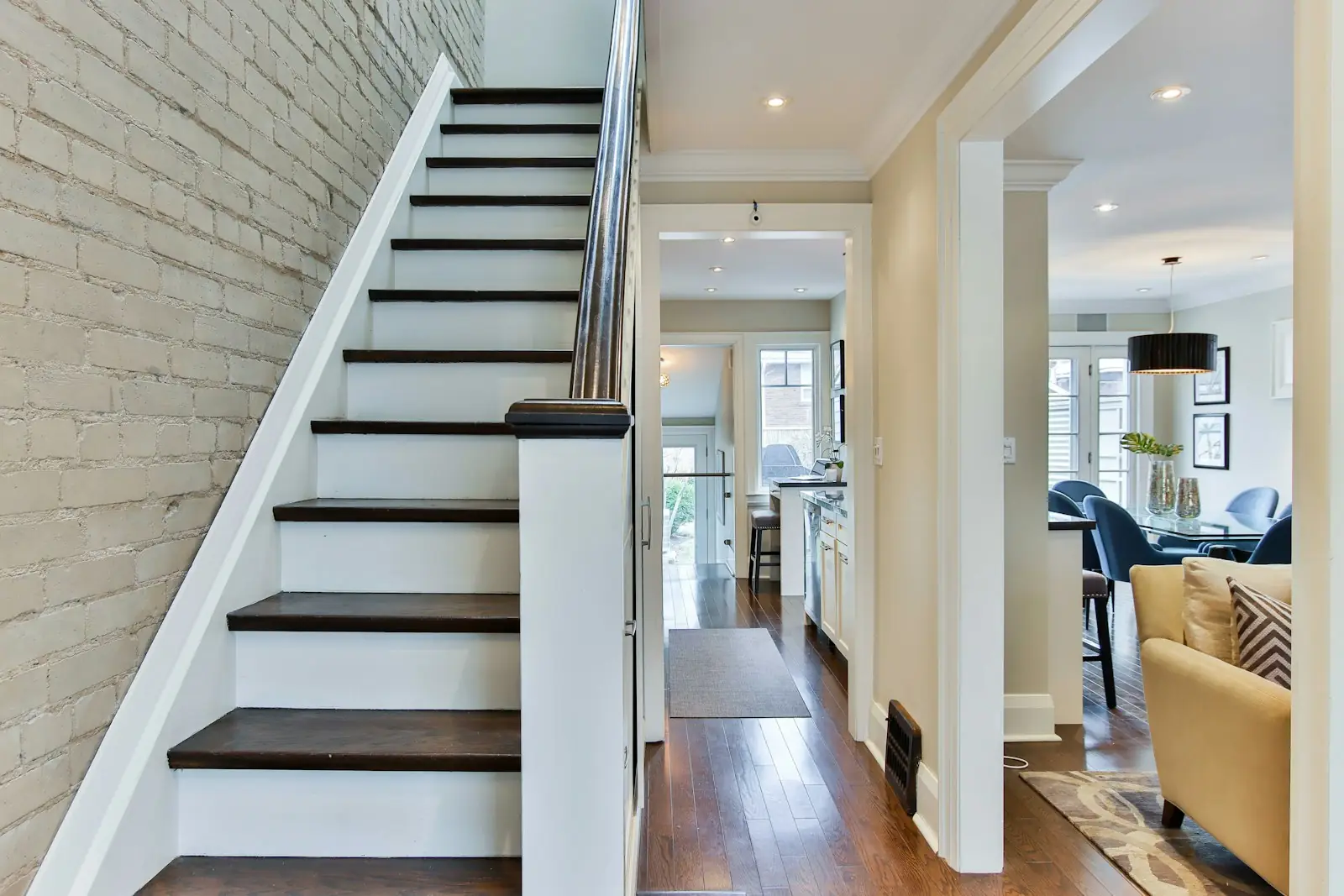
Feature walls, colours and finishes
Colour is your call, but a good decorator will tell you what to expect. Deep or vivid colours generally need more coats to get an even finish, and going from a dark colour back to a light one can take an extra coat or two as well. Trying sample patches on the actual wall, in daylight and lamplight, saves expensive changes of heart.
The finish matters as much as the colour. Flat and matt emulsions hide imperfections and look soft; durable or washable matts are better for hallways and children's rooms; eggshell and satin suit woodwork and kitchen walls; gloss is traditional on skirting and doors but shows every flaw in the preparation.
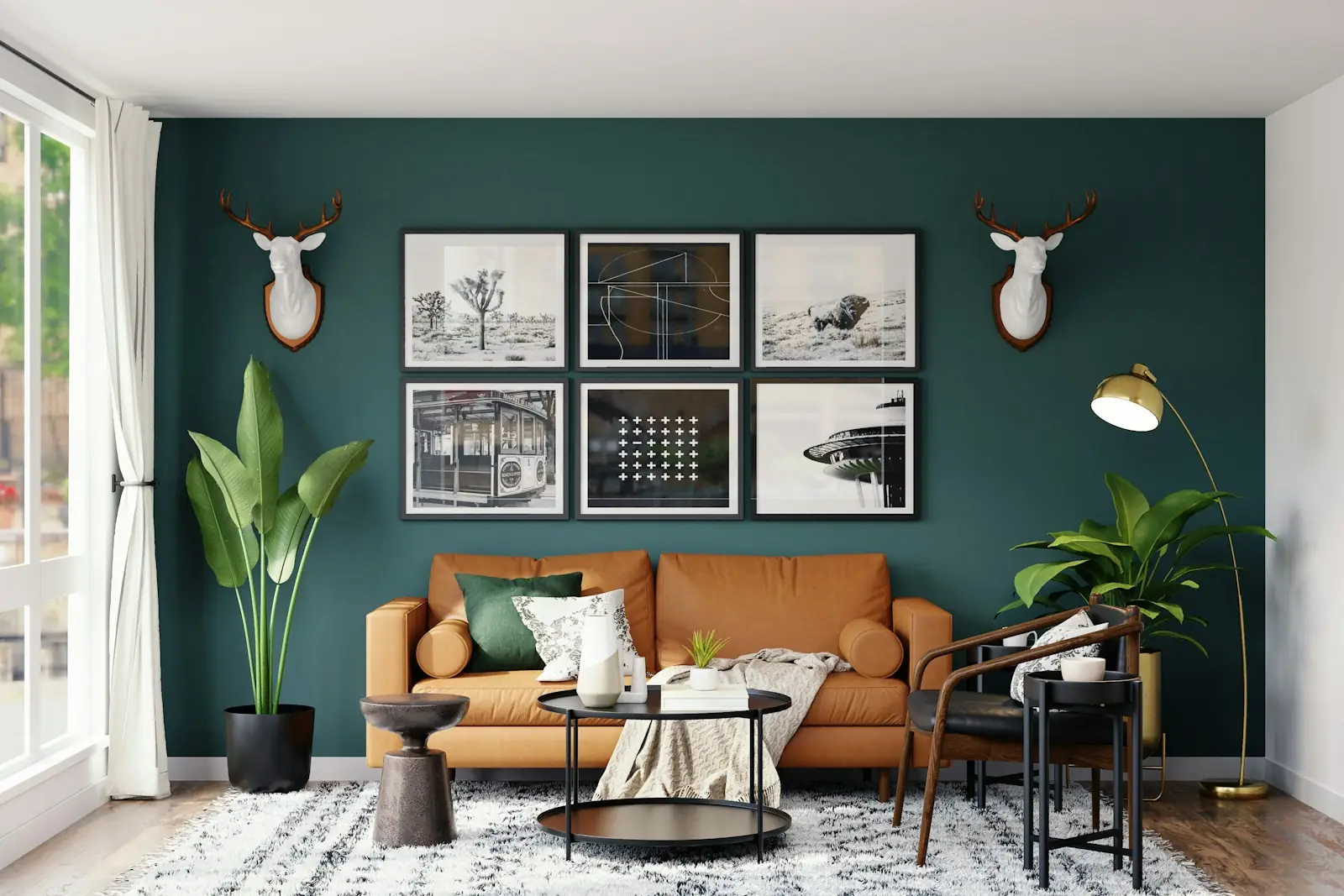
Wallpaper removal and hanging
Stripping wallpaper is often more work than it looks. Several layers, painted-over paper and vinyl backings all slow things down, and the plaster underneath can need repairs once the paper is off. Decorators usually use a steam stripper and then fill, sand and seal the walls before painting.
If the walls are in poor shape, lining paper can give a smoother base for paint. Many decorators also hang wallpaper, including patterned papers that need careful matching – mention it when you request quotes so you hear from people who do that kind of work.
One word of caution: textured ceilings and walls (often called Artex) applied before 2000 may contain asbestos. Don't sand or scrape them – have them tested first.
When to book a decorator
Interior decorating can be done at any time of year, which is why many painters keep inside jobs for the winter months and wet spells. Spring and the run-up to Christmas tend to be busy, so it's worth requesting quotes a few weeks ahead if you have a deadline.
If other work is planned – new electrics, plastering, a new kitchen or flooring – decorate after the messy trades but before new carpets go down. There is little point painting a room twice because cables had to be chased into the walls afterwards.
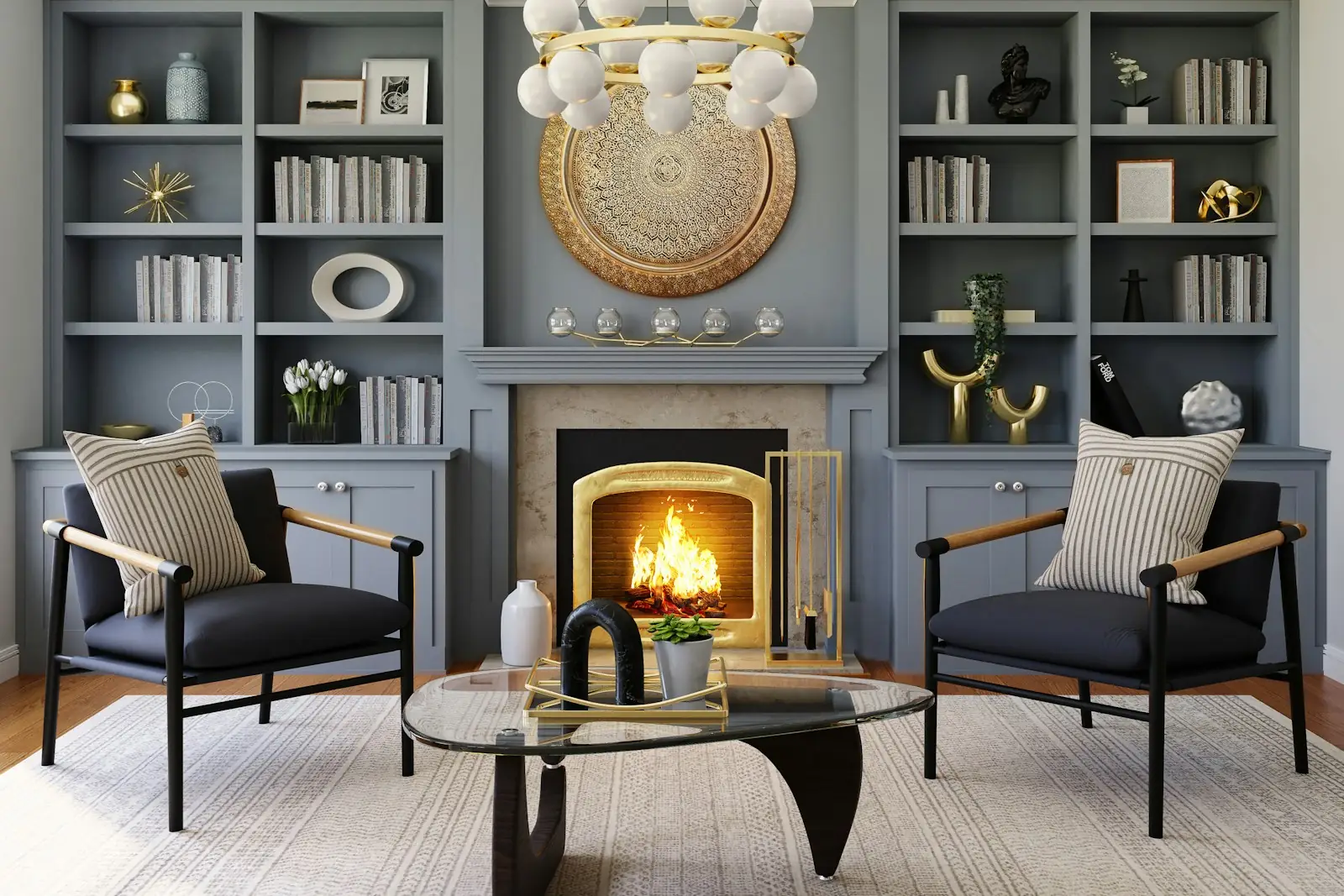
Health and safety points to raise
- Homes built before the 1960s may still have lead paint on woodwork. Dry sanding it is hazardous, so a good decorator will test suspect paint and use safe removal methods.
- Textured coatings (Artex) and some old ceiling tiles applied before 2000 may contain asbestos. They should be tested before being sanded, scraped or drilled.
- Stairwells and high ceilings should be painted from a proper platform, tower or stair system rather than a ladder balanced on the stairs.
- Ask about ventilation and low-odour paints if anyone in the house has asthma or you need to keep using the rooms while they're being painted.
Typical interior decorating prices
Indicative UK prices for labour and trade-quality paint in standard colours. They vary with ceiling height, surface condition, access and location – London and the South East are often at the top of these ranges or above.
| Job | Typical UK price |
|---|---|
| Decorator's day rate | £180–£300 per day |
| Small bedroom or box room (walls and ceiling) | £250–£450 |
| Average double bedroom (walls, ceiling and woodwork) | £400–£750 |
| Large living room or through-lounge | £600–£1,200 |
| Ceiling only (average room) | £150–£350 |
| Hallway, stairs and landing | £800–£1,800 |
| Stripping wallpaper (average room) | £150–£400 |
| Full interior of a three-bedroom semi | £3,000–£6,500 |
Prices are indicative only and include VAT where the painter is VAT-registered. Always get written quotes for your specific job.
More examples, including day rates and whole-house prices, are in our painter and decorator cost guide.
What affects the price
- Size and ceiling height
- Bigger rooms take longer, and tall Victorian ceilings or open stairwells may need towers or platforms.
- Condition of the surfaces
- Cracks, flaking paint, stains and damaged plaster all need preparation – and preparation is where the time goes.
- Colour changes
- Strong colours, and going from dark to light, often need extra coats.
- Woodwork and detail
- Panelled doors, spindles, cornicing and sash windows take far longer than flat walls.
- Furniture and occupancy
- Empty rooms are quicker to work in than rooms that have to be cleared and covered each day.
- Paint choice
- Premium and specialist paints cost more per tin, though they can cover and wear better.
Comparing interior decorating quotes
- Exactly which surfaces are included: walls, ceilings, woodwork, doors, radiators
- How many coats are allowed for, including mist coats on new plaster
- Which paint brand and range will be used, and who supplies it
- What preparation is included – filling, sanding, stain blocking, caulking
- Who moves furniture and how floors and fittings will be protected
- A start date, an expected finish date and working hours
- Public liability insurance and examples of similar recent work
- Payment terms – avoid paying the full amount before work starts
Request interior painting and decorating quotes
Describe the job, add your postcode and compare quotes from local painters and decorators. It's free, and you're under no obligation to go ahead.
Get free interior painting and decorating quotes
Describe your painting or decorating job once and compare quotes from local painters who cover your area.
- Free to use
- No obligation
- Compare local painters
- Quick online form
You'll continue to our quotes partner, MyJobQuote, to describe your painting job.
Internal Painting & Decorating near you
You can request interior painting and decorating quotes anywhere in the UK. These cities have their own local interior painting guide:
Painters and decorators in more towns and cities
Internal Painting & Decorating: frequently asked questions
How long does it take to decorate a room?
An average bedroom often takes two to three days including preparation, a mist coat or primer where needed, and two finish coats on walls, ceiling and woodwork. Larger rooms, poor walls and lots of woodwork take longer.
Do painters and decorators supply the paint?
Most do, usually using trade paints, and include the cost in their quote. You choose the colours. If you would rather buy the paint yourself, say so when you request quotes so prices are comparable.
Should the ceiling or walls be painted first?
Ceilings first, then walls, then woodwork. Working from the top down means splashes only land on surfaces that are still to be painted.
Can you paint over wallpaper?
It's possible if the paper is firmly stuck and in good condition, but it can bubble or show seams. Most decorators recommend stripping it and preparing the plaster for a longer-lasting finish.
How soon can new plaster be painted?
Fresh plaster needs to dry thoroughly first – often several weeks, depending on the thickness, the time of year and ventilation. It then needs a mist coat before the finish coats.
Is it worth hiring a decorator for just one room?
Yes. Plenty of decorators take on single rooms, especially hallways, stairs and landings, high ceilings or rooms that need a lot of preparation. Grouping a few rooms into one booking can make the price per room better value.
Ready to get interior painting and decorating quotes?
One short form, local painters and decorators, no obligation.
Get Free Quotes