Why touch-ups show
There are four reasons touch-ups stand out: the colour is slightly different, the sheen is different, the texture is different, or the paint has been applied more thickly than the surrounding wall. Even using paint from the same tin, a small area painted later can look different because the original paint has faded, collected dirt or been applied with a different tool.
Matt and flat finishes are the most forgiving. Silk, satin and gloss finishes are the hardest because any difference in thickness or application shows as a different shine – a problem called 'flashing'.
Before you touch up
If you don't have the original paint, a paint shop can colour-match a sample. Cut a small piece from behind a switch plate or radiator, or bring a chip, and choose the same finish as the original.
- Try cleaning first – many marks come off with a damp cloth or melamine sponge
- Find the original paint – check garages, lofts and the decorator's notes
- Check the tin's product name, colour and finish, not just the colour
- Stir old paint thoroughly; discard paint that's lumpy or smells sour
- Fill and sand any dents or holes before painting
The decorator's technique
The trick is to mimic how the wall was originally painted and to feather the edges so there's no hard line.
- Use the same tool as the original – a roller for rolled walls, a brush for woodwork
- Load the roller lightly and roll off excess on a tray
- Start in the centre of the repair and work outwards with lighter pressure
- Feather the edges into the surrounding paint with an almost-dry roller
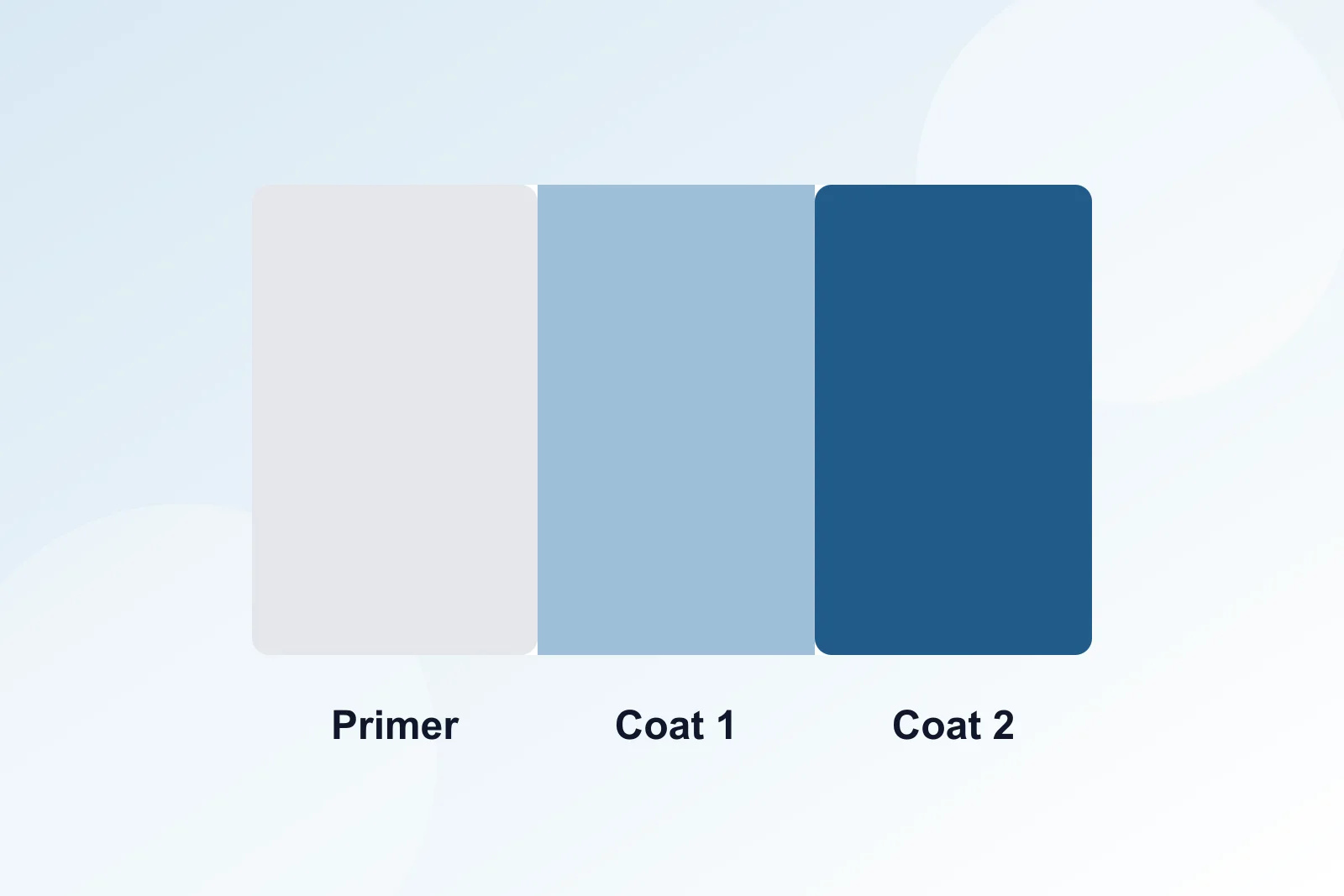
- Apply two thin coats rather than one thick one
- Let it dry fully before judging – paint often looks different wet
Rather leave it to a professional?
When it's better to repaint the whole wall
Decorators often recommend repainting a full wall from corner to corner rather than patching. The eye notices differences within a wall, but not between walls, because light hits each wall at a different angle. If your touch-up is in the middle of a large, well-lit wall – especially in silk or satin – painting the whole wall is usually quicker than trying to blend it.
The same applies to woodwork. Touching up a scuffed door often leaves patches; repainting the whole door face, or the whole skirting run, gives a uniform finish.
Ceilings and woodwork
Ceilings are particularly unforgiving because light rakes across them. Water stains also need a stain-blocking primer first, otherwise they bleed through new emulsion. On woodwork, gloss and satinwood touch-ups show unless the area is lightly sanded first and the paint is laid off in the direction of the grain.
Planning ahead for touch-ups
If you're having rooms decorated, choose finishes with touch-ups in mind. Durable matt emulsions are easier to touch up than silk and still wipeable. Keep the paint sealed with the lid hammered on and stored somewhere frost-free. Note the colour, brand and finish on the inside of a cupboard door. Our guide to preparing your home for a decorator covers other things to agree before the job starts.
For bigger patches or a room that just needs freshening up, a decorator can often do a touch-up visit or a single-wall repaint at a modest cost. Request prices from local interior decorators.