Why decorators always start at the top
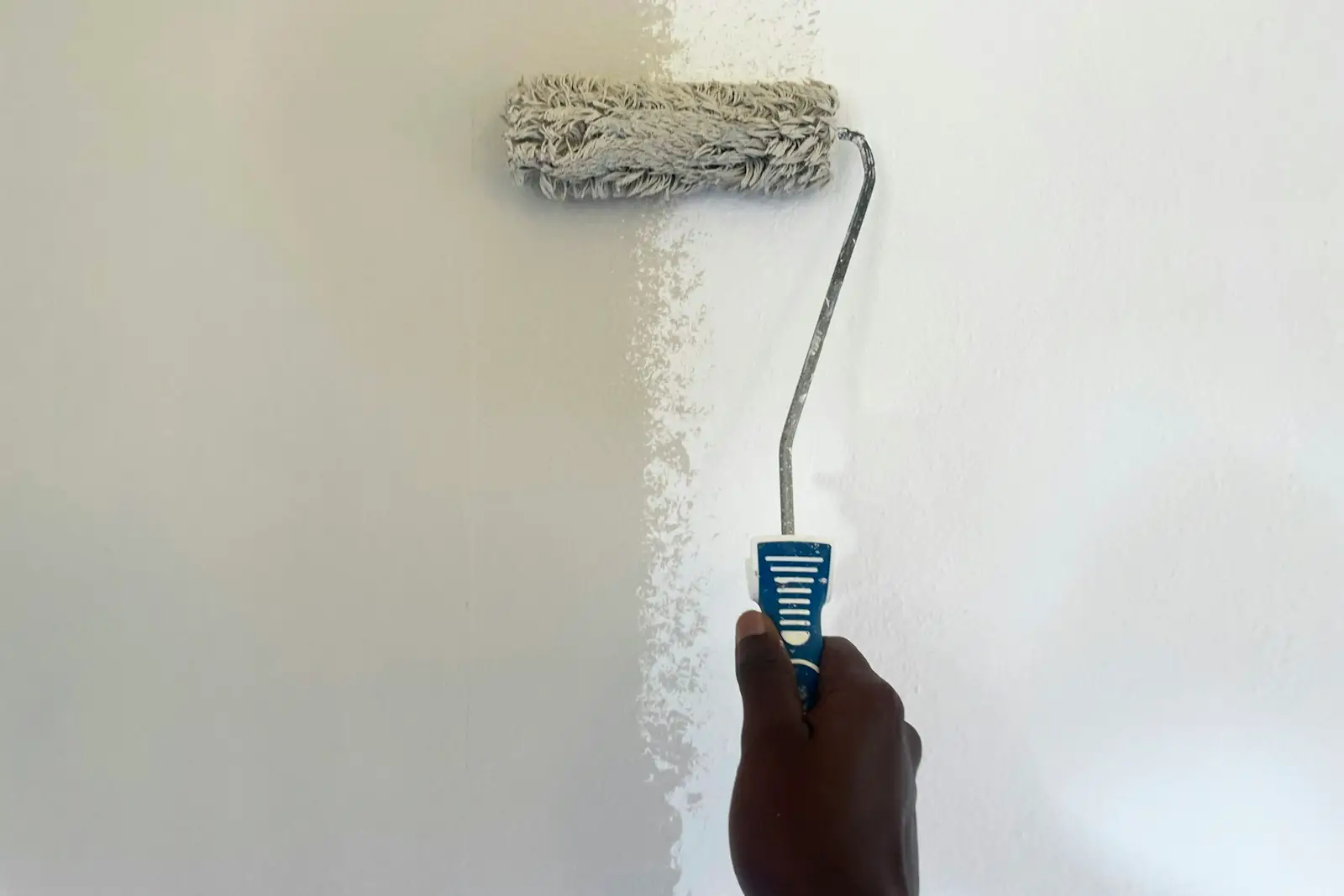
Painting the ceiling first means any drips or spatters land on walls that haven't been painted yet. It's also where cutting in starts: the decorator paints a neat line where the ceiling meets the wall, then the wall colour comes up to meet it.
Water stains and smoke marks
Brown rings from an old leak, yellowing above a hob and smoky patches above a fire will bleed straight through ordinary emulsion, however many coats you apply. They need sealing first with a stain-blocking primer. And of course, the leak that caused a water stain must be fixed – otherwise the stain will be back.
Cracks in the ceiling
Fine cracks are common, especially along the joins of plasterboard and around ceiling roses. They can usually be raked out, filled and sanded. Cracks that keep coming back, or ceilings that sag or feel soft, need a plasterer to look at them before any decorating.
Old lath-and-plaster ceilings in period homes can be particularly crack-prone. A decorator may suggest lining paper to give a sound, smooth surface.
Rather leave it to a professional?
Describe the job and compare free quotes from painters and decorators near you.
- Free to use
- No obligation
- Compare local painters
- Quick online form
You'll continue to our quotes partner, MyJobQuote, to describe your painting job.
Textured ceilings and Artex
Many homes still have swirled or stippled textured ceilings. Textured coatings applied before 2000 may contain asbestos, so they shouldn't be sanded, scraped or drilled without being tested first. Painting over an undamaged textured ceiling is generally considered low risk, but it's worth discussing with your decorator. See our guide to lead paint and Artex for more.
Ceiling paint and finish
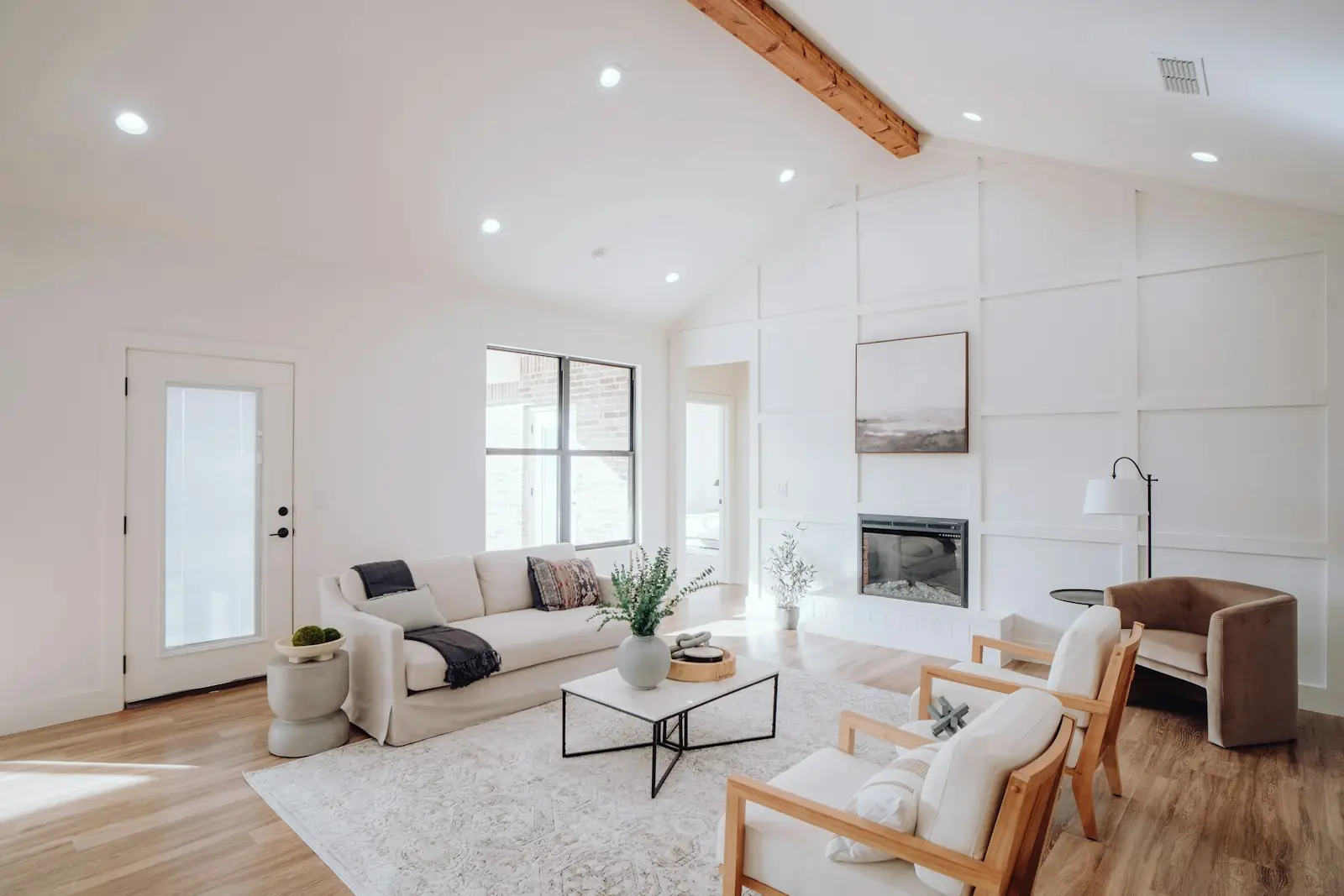
A flat or matt white emulsion is the standard choice because it hides imperfections and doesn't reflect light unevenly. Some ceiling paints go on tinted and dry white, which makes it easier to see where you've painted. A tint of the wall colour, or the same colour throughout, can look striking in the right room.