Paint, stain or oil?
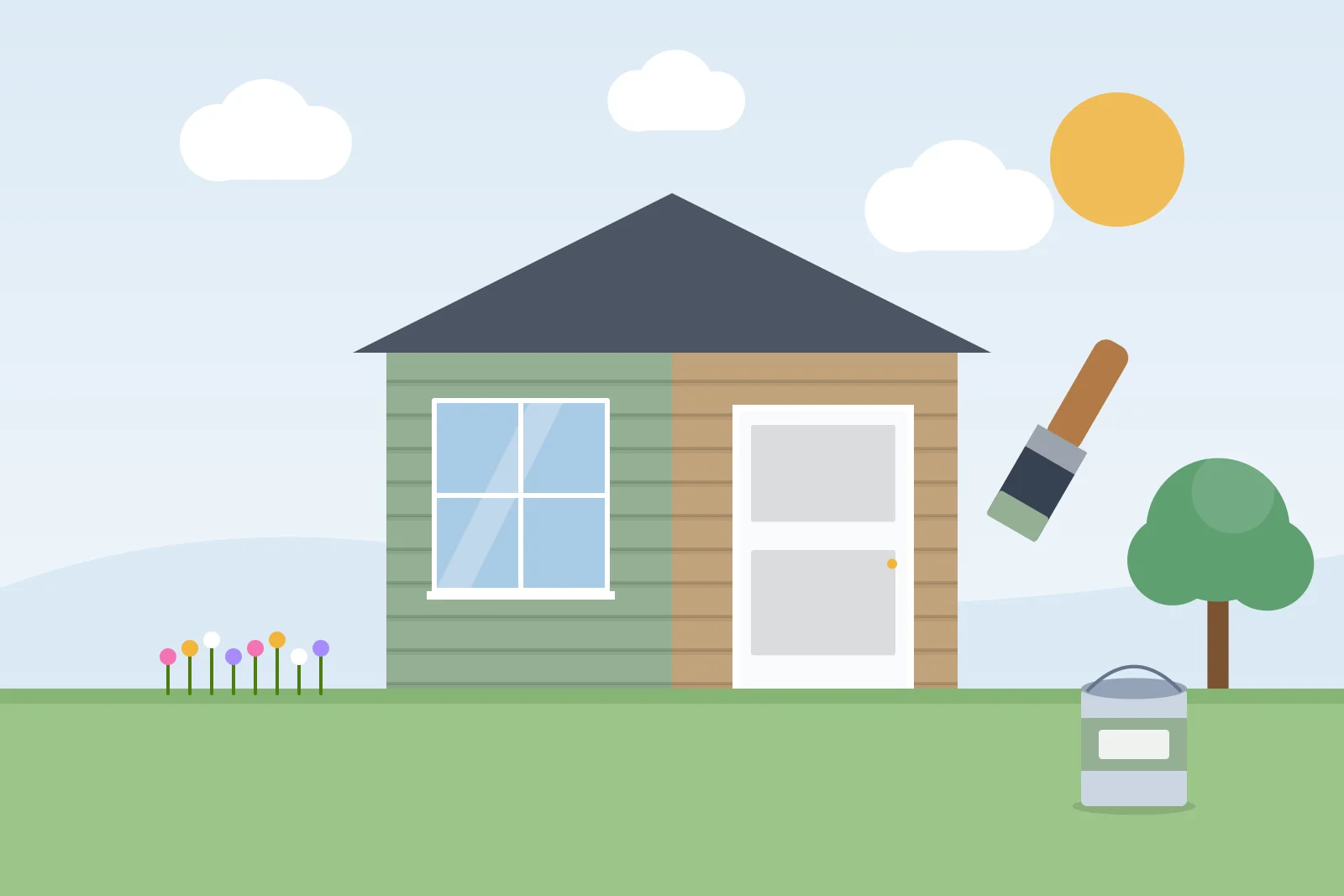
Exterior timber cladding can be coated in three broad ways, and each one ages differently. Opaque exterior wood paint gives a solid colour and the most protection against UV, but when it fails it flakes and needs scraping. Translucent or semi-transparent stains let the grain show and tend to wear away gradually rather than peel, which makes recoating easier. Oils soak in and look natural, but need topping up most often.
There's no single right answer. Modern, contemporary homes often suit solid colours in dark greys, blacks and greens. Rural properties and garden buildings suit stains and oils that show the grain. If the cladding is on a high gable that needs access equipment to reach, choose whatever will go longest between recoats.
| Coating | Look | Typical life | When it wears |
|---|---|---|---|
| Opaque wood paint (water-based) | Solid colour, grain texture visible | 6–10 years | Fades, then may flake at ends and edges |
| Semi-transparent stain | Coloured, grain visible | 3–6 years | Erodes gradually, easy to recoat |
| Exterior wood oil | Natural, enriched grain | 1–3 years | Dries out and greys |
| Factory-coated cladding | Any of the above | Up to 10–15 years before first recoat | Depends on product |
Coating options for exterior timber cladding
Which woods take paint well
Softwoods such as redwood, spruce and treated pine take paint well once they're dry and primed. Larch and Douglas fir are resinous and can bleed through light colours, so they need a stain-blocking primer on knots. Western red cedar and oak are tannin-rich and can stain pale paint brown unless they're properly sealed. Thermally modified timber is stable but often left to silver naturally.
Many people choose naturally durable cladding precisely so they don't have to paint it. If yours is already silvered and you're happy with the look, leaving it alone is a legitimate choice. Once you paint it, though, you're committed to maintaining that paint.
Preparation makes or breaks the finish
Cladding fails at the ends of boards, along the bottom edges and wherever water sits. A painter will typically:
- Wash down with a fungicidal cleaner to kill mould and algae
- Let the timber dry thoroughly – moisture content matters more than the weather on the day
- Scrape and sand loose or flaking coatings back to a sound edge
- Treat bare wood with a preservative if the coating system calls for it
- Seal knots and resinous areas, and spot-prime bare patches
- Pay particular attention to end grain and the lower edges of boards
Rather leave it to a professional?
Applying the coating
Brushing remains the most reliable way to work coatings into the grain and the overlaps of shiplap or tongue-and-groove boards, though spraying is fast on large, flat elevations with good masking. Two coats of paint or stain are normal, sometimes three on bare, weathered timber. The coating must cover the underside edges of the boards, where water drips and UV doesn't reach, otherwise rot starts there.
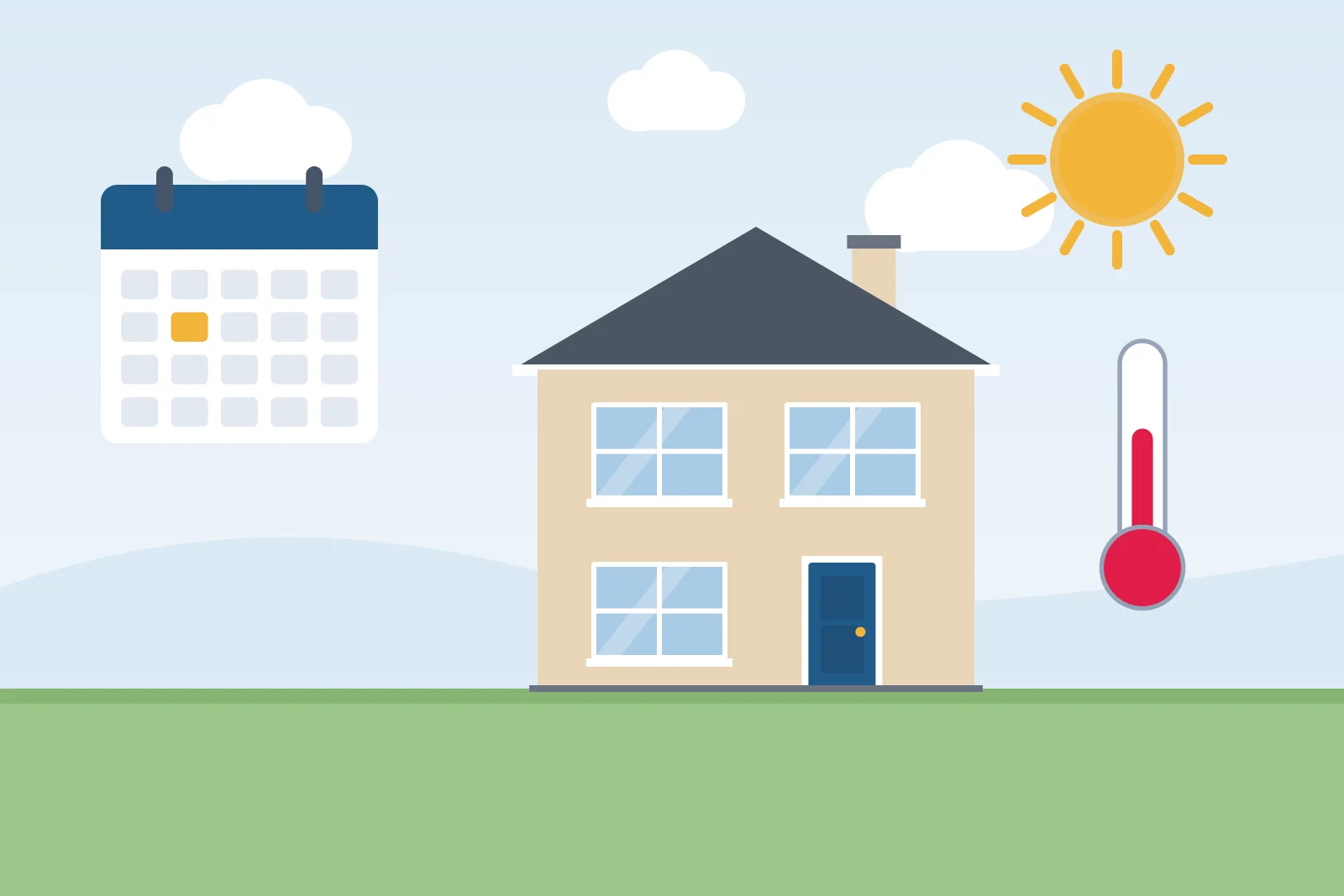
Timing matters. Avoid painting in direct, hot sun, which dries the coating too quickly, and don't paint when rain or overnight dew is likely before it's touch-dry. Late spring to early autumn is ideal – see the best time of year to paint a house exterior.
What it costs
Prices depend mostly on access, the condition of the existing coating and the type of board.
| Job | Typical cost |
|---|---|
| Per m², good condition, two coats | £15 – £28 |
| Per m², weathered or flaking, full prep | £25 – £45 |
| Garden room or annexe (all elevations) | £500 – £1,400 |
| Single gable of cladding on a house | £600 – £1,800 (plus access) |
| Access tower or scaffold if needed | £150 – £900+ |
Indicative prices for painting or staining exterior cladding (2026)
How to make it last longer
Wash cladding gently once a year to remove dirt and algae, check the bottom edges and end grain each spring, and touch up any small failures before water gets in. South- and west-facing elevations will fade fastest, so you may find those need recoating a year or two before the others. Darker colours absorb more heat and can move more, so a quality, flexible paint is worth the extra cost.
For more on exterior woodwork, see painting woodwork and water-based vs oil-based paint. You can get quotes from local exterior painters who'll assess the cladding before pricing.