Why the timing matters
Replacing a radiator is a short job for a heating engineer, but it isn't a tidy one from a decorator's point of view. The old radiator comes off the wall with dirty water inside it, the brackets are unscrewed and new ones drilled, and pipe tails may be cut, bent or extended to suit the new valves. If the room has just been painted, expect a few new holes, tide marks and fingerprints at the very least.
On the other hand, hanging a new radiator on an unpainted wall leaves you with the problem you started with: a strip of wall behind it that you can't reach without taking the radiator off again. The answer is to plan the two jobs together, so the wall gets painted while it's bare.
The best order of work
For most rooms, this sequence gives the cleanest result with the fewest visits:
- Choose the new radiators and confirm their sizes and bracket positions
- Heating engineer drains down, removes the old radiators and caps the pipes
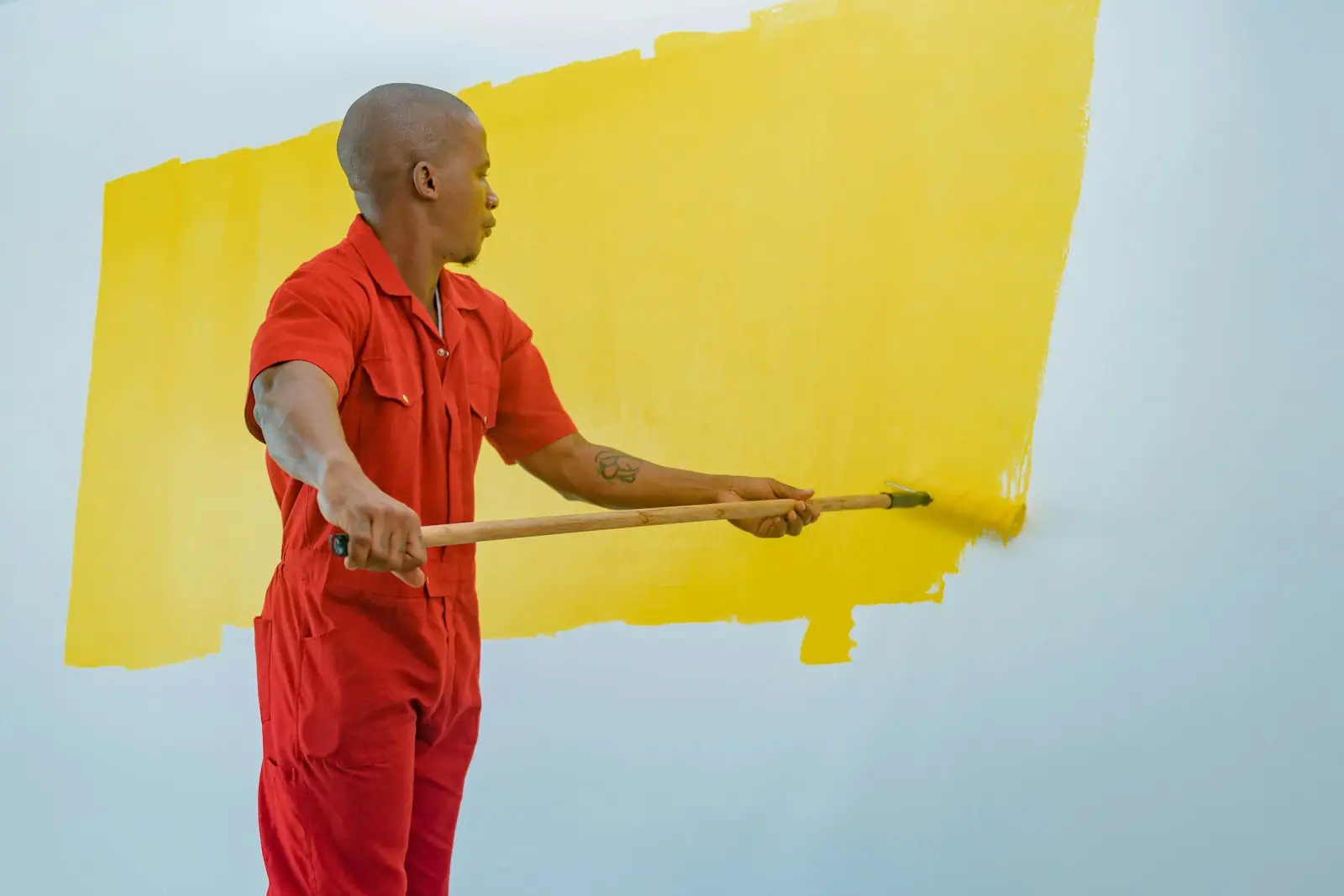
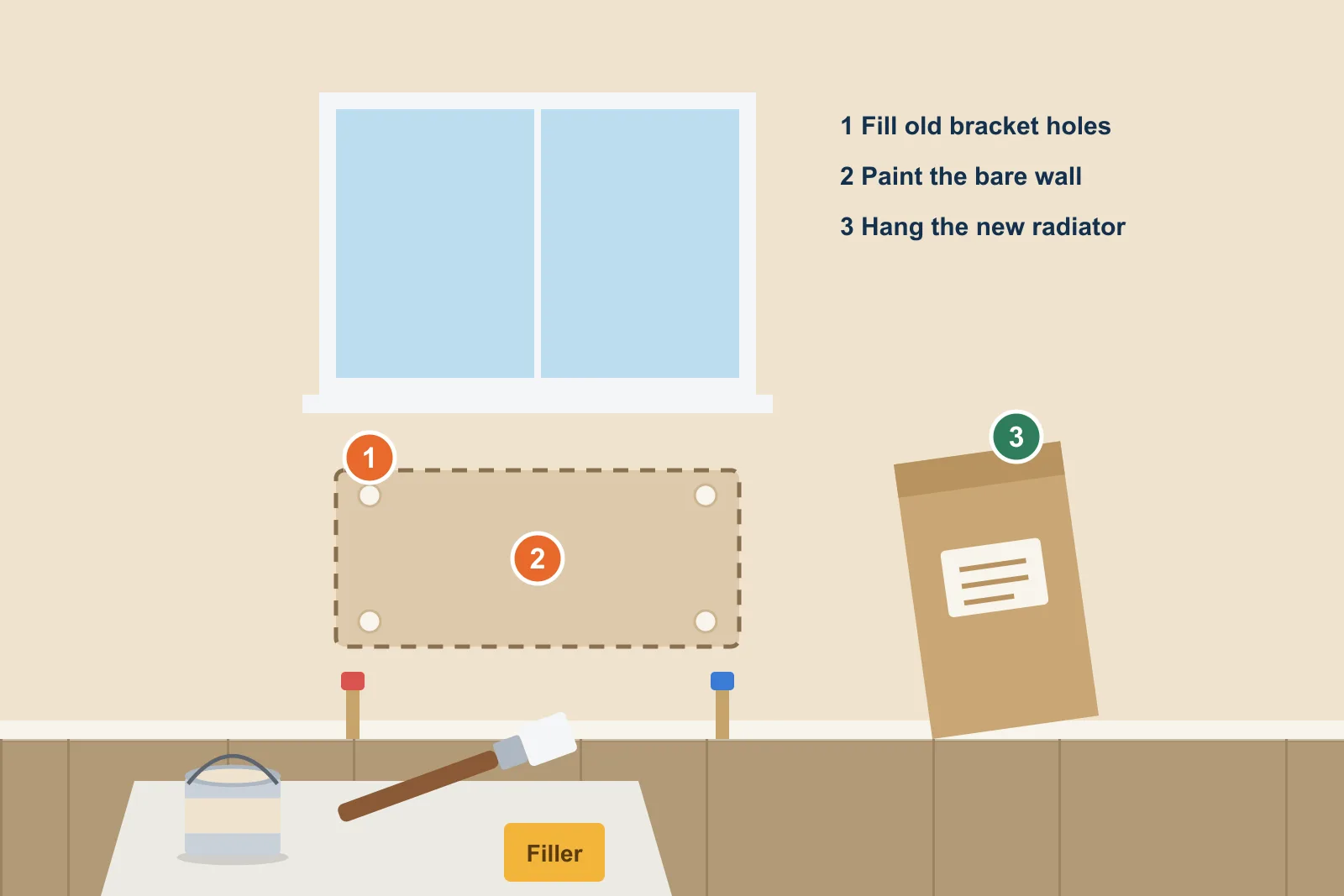
- Decorator fills the old bracket holes, prepares the walls and paints them, including the area behind the radiators
- Heating engineer returns to hang the new radiators, connect them and refill the system
- Decorator touches up the skirting and any pipework once everything is in place
Decisions to make before the painting starts
Whichever way you schedule it, a few decisions made early on save a lot of fiddling later.
Fix the radiator size and position first
A replacement radiator is rarely an exact match for the one it replaces. Modern panel radiators come in metric sizes that don't always line up with older imperial ones, and if you're switching to a vertical or column style the footprint changes completely. Agree the model and its exact position before the decorator starts, so the right area of wall is painted and the new bracket holes aren't drilled through fresh paint somewhere unexpected.
Decide what happens to the pipework
If the new radiator needs the pipes moved, that work should be finished before any decorating. Moving pipework can mean lifting a floorboard or chasing into a wall, and both leave repairs behind. Visible pipes that are staying can be painted to match the skirting, but only when they're cold and properly keyed, so check the timing with your heating engineer.
Keep the rest of the house warm
In winter, a room with no radiator for a week gets cold quickly, and cold rooms slow paint drying considerably. Most engineers can cap the pipe tails so the heating keeps running elsewhere in the house while the room is decorated. A small electric heater, used sensibly, helps the paint dry between coats.
Preparing the wall behind the old radiator
Walls behind radiators often look worse than the rest of the room once they're exposed. Years of warm air rising carry dust upwards, leaving grey shadows above and behind the radiator. You may also find old wallpaper, earlier paint colours, rust marks from a weeping valve or a patch the previous owners simply never bothered to decorate.
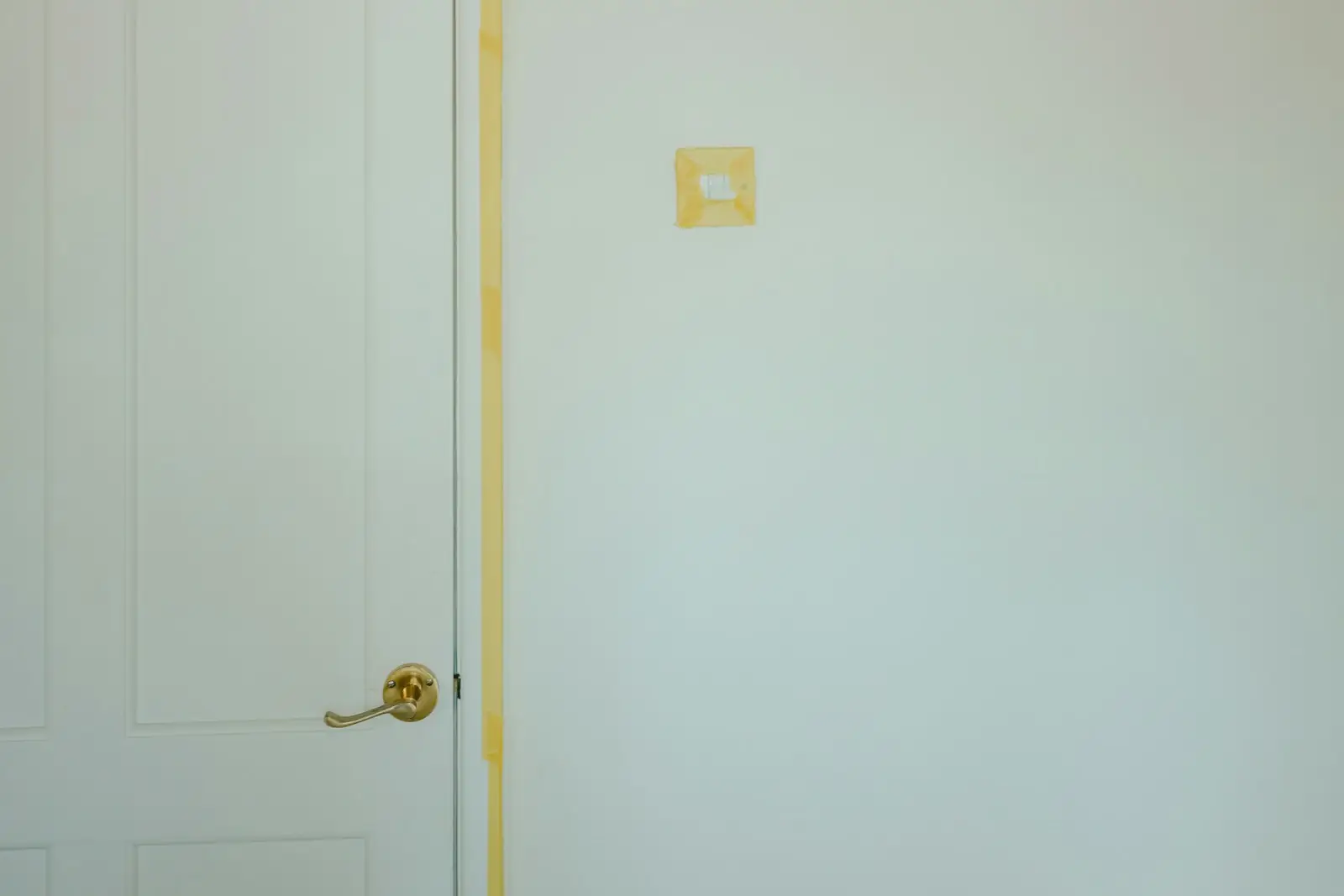
Start by washing the area with sugar soap and letting it dry. Fill the old bracket holes and any cracks, sand the filler flush and spot-prime any bare plaster or filler. Brown water stains and rust marks need a stain-blocking primer, or they'll bleed through the new paint. If the wall has an old gloss or vinyl finish that differs from the rest of the room, give it a light sand and an undercoat so the new emulsion grips properly.
Choosing paint for walls around radiators
Standard emulsion is fine behind a radiator; normal heating temperatures won't harm it once it has cured. What matters more is durability. Cheap matt paints mark easily, and the wall around a radiator gets touched more than you'd think, by hands adjusting valves and clothes being dried. A durable matt or eggshell wipes clean far better.
Very pale colours show the dust shadows above radiators sooner than mid-tones, which is worth bearing in mind in a hallway or a room where the radiator works hard. If the new radiator is a different colour from the old one, anthracite rather than white for example, check how it looks against your chosen wall colour before you commit.
Rather leave it to a professional?
What about the radiators you're keeping?
New radiators come with a durable factory finish and rarely need painting. If you're keeping some older radiators in the same room and want them to match, they're best painted while they're off the wall, using radiator enamel or a paint designed for heated metal, then left to cure before they're rehung. Painting a radiator in place is possible, but you can't reach the back properly, and it should only ever be done when the radiator is completely cold.
Protecting the finished room when the radiators go back on
The final visit from the heating engineer involves drilling, lifting a heavy radiator into place and refilling the system. Leave the dust sheets down, move furniture well clear and expect a drip or two from the valves as they're connected. A good engineer will put a towel under each valve, but it's worth checking the skirting afterwards.
Once everything is connected, run the heating for a few days and look for weeping joints before the decorator finishes. A small leak can mark a new wall or lift the paint on a skirting board, and it's much easier to deal with now than after the furniture is back in place.
Getting quotes for both jobs
When you ask for quotes, tell each trade that the other job is happening. A decorator will price differently if the radiators are already off the wall, and may save you money by not having to work around them. A heating engineer can quote for two visits, one to remove the radiators and cap the pipes and one to fit the new ones, which is a different job from a straight swap.
If you're still deciding on sizes or styles, it's worth getting radiator replacement quotes from local heating engineers early on. They can check the heat output each room needs and tell you whether the pipework will have to move, which in turn tells your decorator which walls need the most attention.
Final thoughts
Treat radiator replacement and redecoration as one project with two trades rather than two separate jobs. Take the old radiators off, prepare and paint the bare walls, then hang the new radiators on a finished surface. It takes a little coordination, but the result is a room that looks complete from every angle, including the bit behind the radiator that nobody else will ever see.