What you get on handover
Developers usually finish walls and ceilings in a contract matt emulsion – a cheap, breathable paint designed to let fresh plaster and plasterboard dry out. It's often applied thinly and marks easily. Woodwork is typically in white satin or gloss. Some developers offer upgrades, but most buyers end up repainting within a few years.
Contract matt isn't washable. Scrubbing it removes the paint. That's one of the main reasons owners want to repaint soon after moving in.
Why waiting helps
New homes contain a surprising amount of water – from concrete, plaster, mortar and screeds. As the heating runs during the first year, materials dry and shrink slightly. The house also settles. The result is hairline cracks, typically where walls meet ceilings, along plasterboard joints, around door frames and at corners.
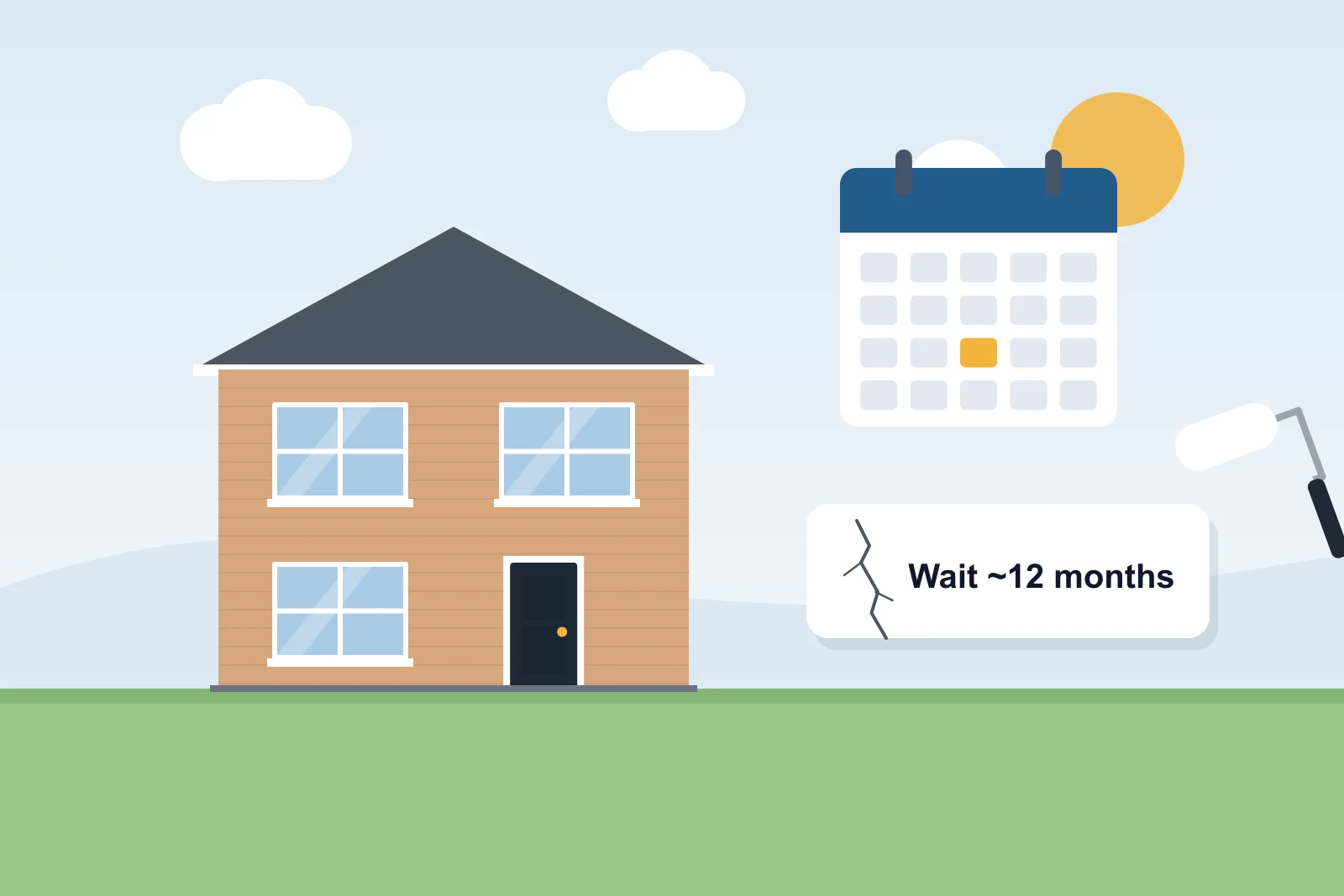
These cracks are normal and are usually covered under the developer's snagging or defects period. If you decorate in the first months, the cracks will appear in your new paint anyway. Many decorators recommend waiting 9 to 12 months, or at least one full heating season, before a full redecoration.
If you can't wait
It's understandable to want to put your stamp on a new home straight away. If you do decorate early:
- Choose matt finishes, which hide movement better than silk
- Keep spare paint so cracks can be filled and touched up later
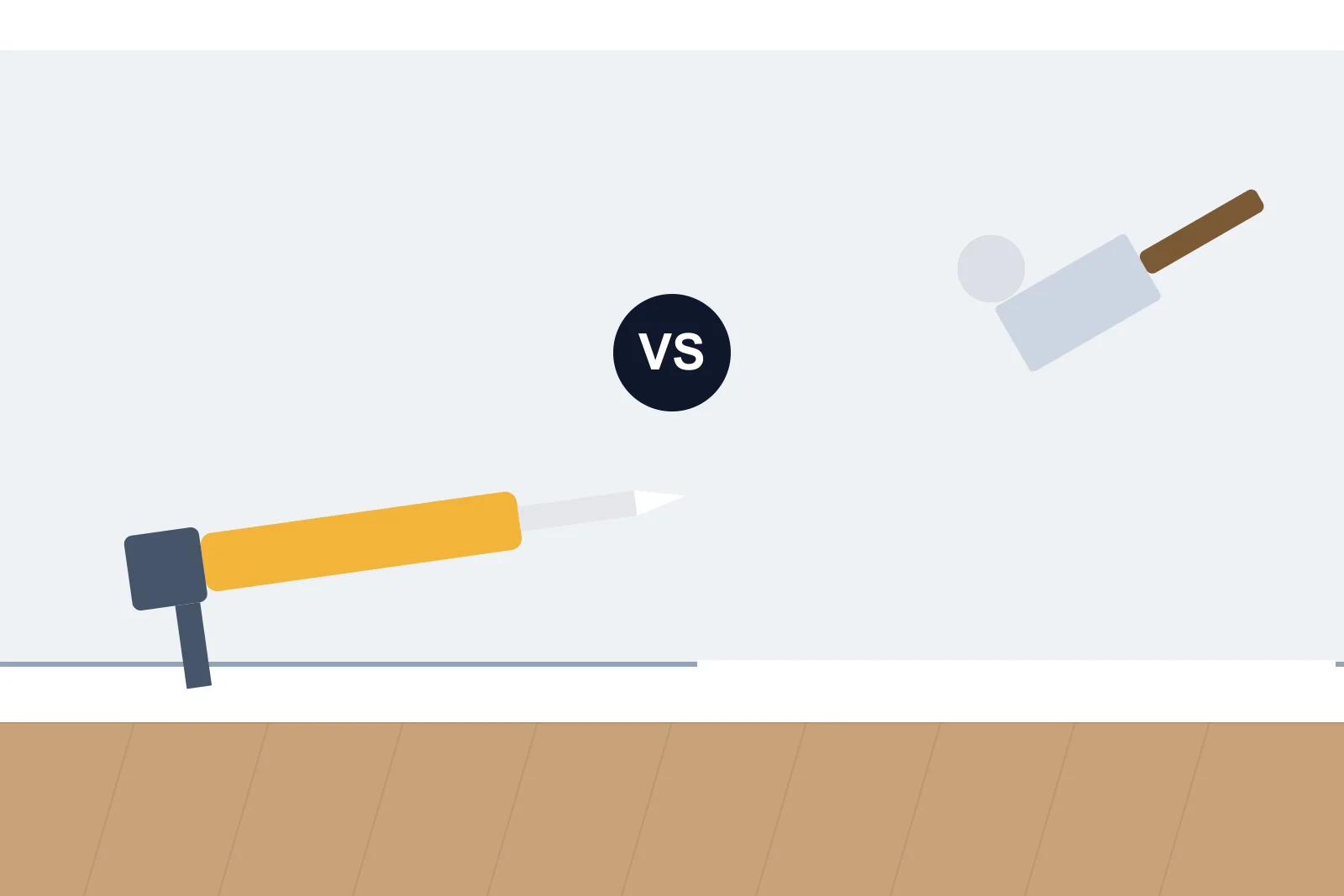
- Use flexible caulk at joints where walls meet ceilings and frames
- Ventilate well and keep the heating steady rather than blasting it
- Consider decorating just the rooms you care about most and waiting on the rest
Rather leave it to a professional?
Painting over contract matt
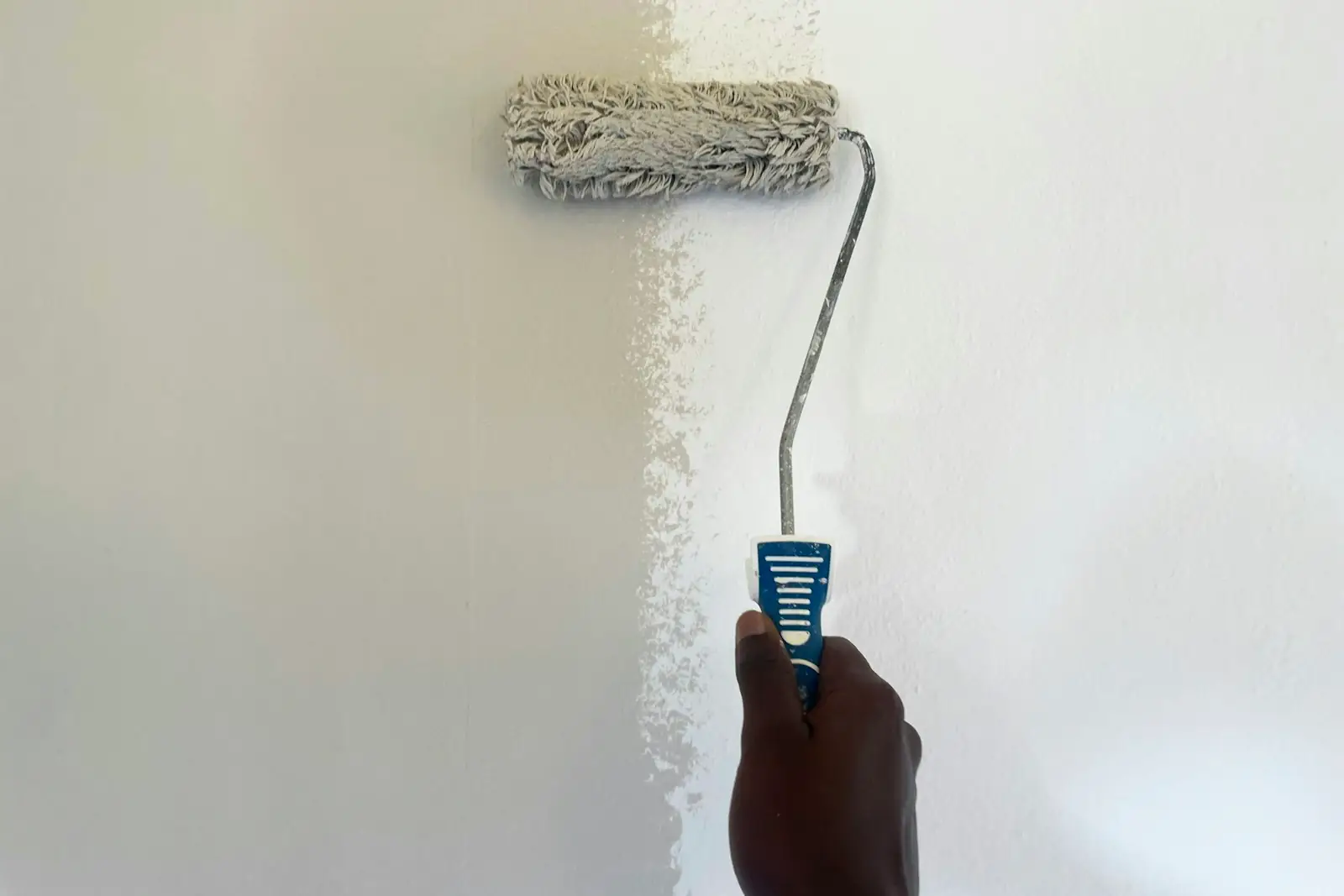
Because contract matt is porous and chalky, a decorator will normally give walls a light rub-down, wipe them clean and apply a first coat that seals the surface. Darker colours over white usually need two or three coats. Any filled cracks should be sanded and spot-primed first so they don't flash through.
Woodwork may only need a light sand and fresh coat. If you want to change from satin to gloss or vice versa, the existing paint needs keying properly.
Typical decorating costs for a new-build
New-builds are usually quicker to decorate than older homes because walls are flat and woodwork is in good condition. See how much paint for a whole house and cost to paint a room.
| Home | Typical cost |
|---|---|
| One-bedroom flat | £1,200 – £2,200 |
| Two-bedroom house | £1,800 – £3,200 |
| Three-bedroom semi or town house | £2,500 – £4,500 |
| Four-bedroom detached | £3,500 – £6,000 |
| Filling settlement cracks before painting | Often included; extra if widespread |
Indicative prices for repainting new-build homes (2026, walls, ceilings and woodwork)
Choosing colours in a new home
New-builds often have open-plan downstairs spaces and limited period features, so colour does a lot of work. Using a consistent palette through connected spaces makes homes feel bigger, and accent colours on feature walls or woodwork add character. See choosing paint colours and feature walls and colour drenching.
When you're ready, request quotes from local interior painters.