Choosing the right wall
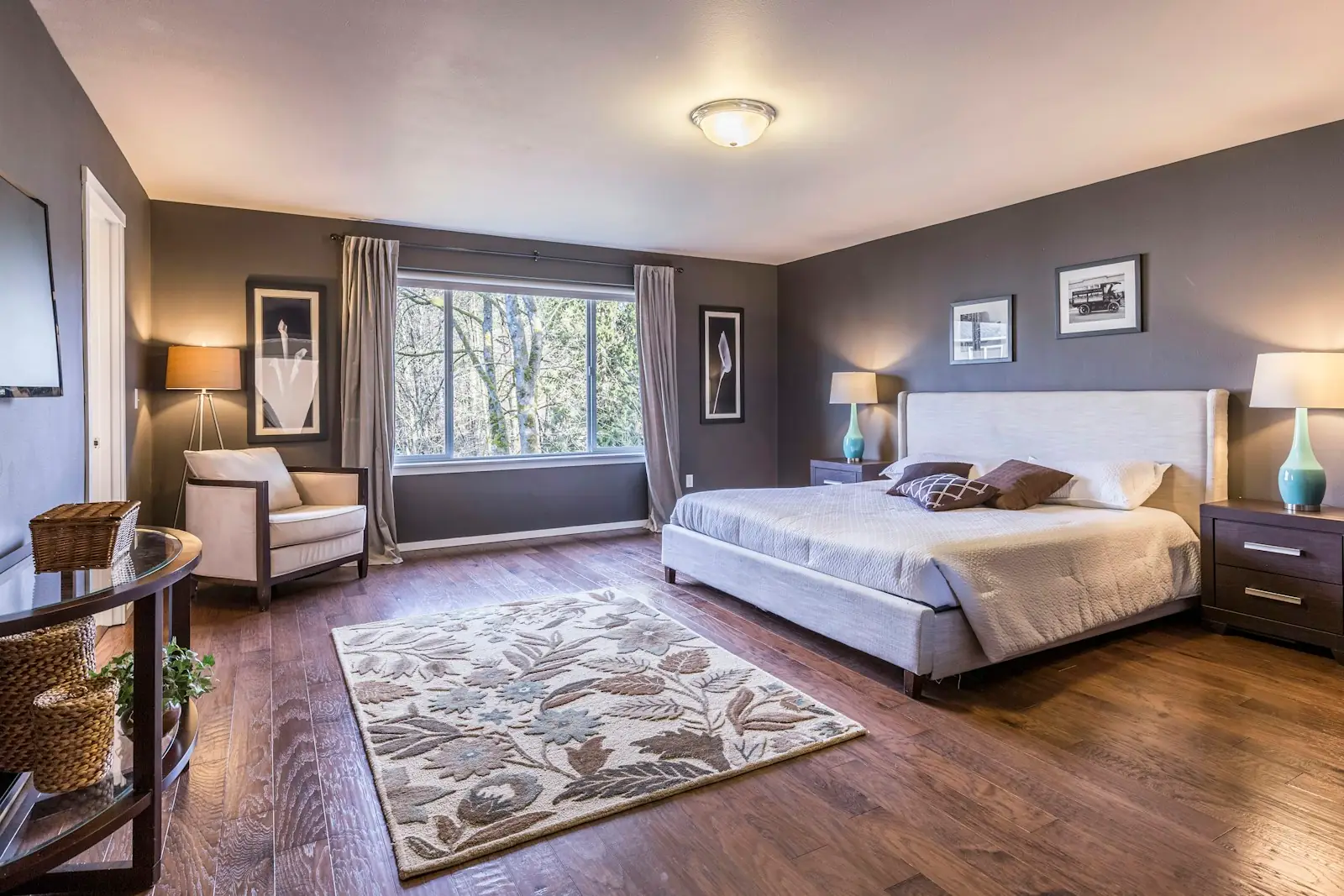
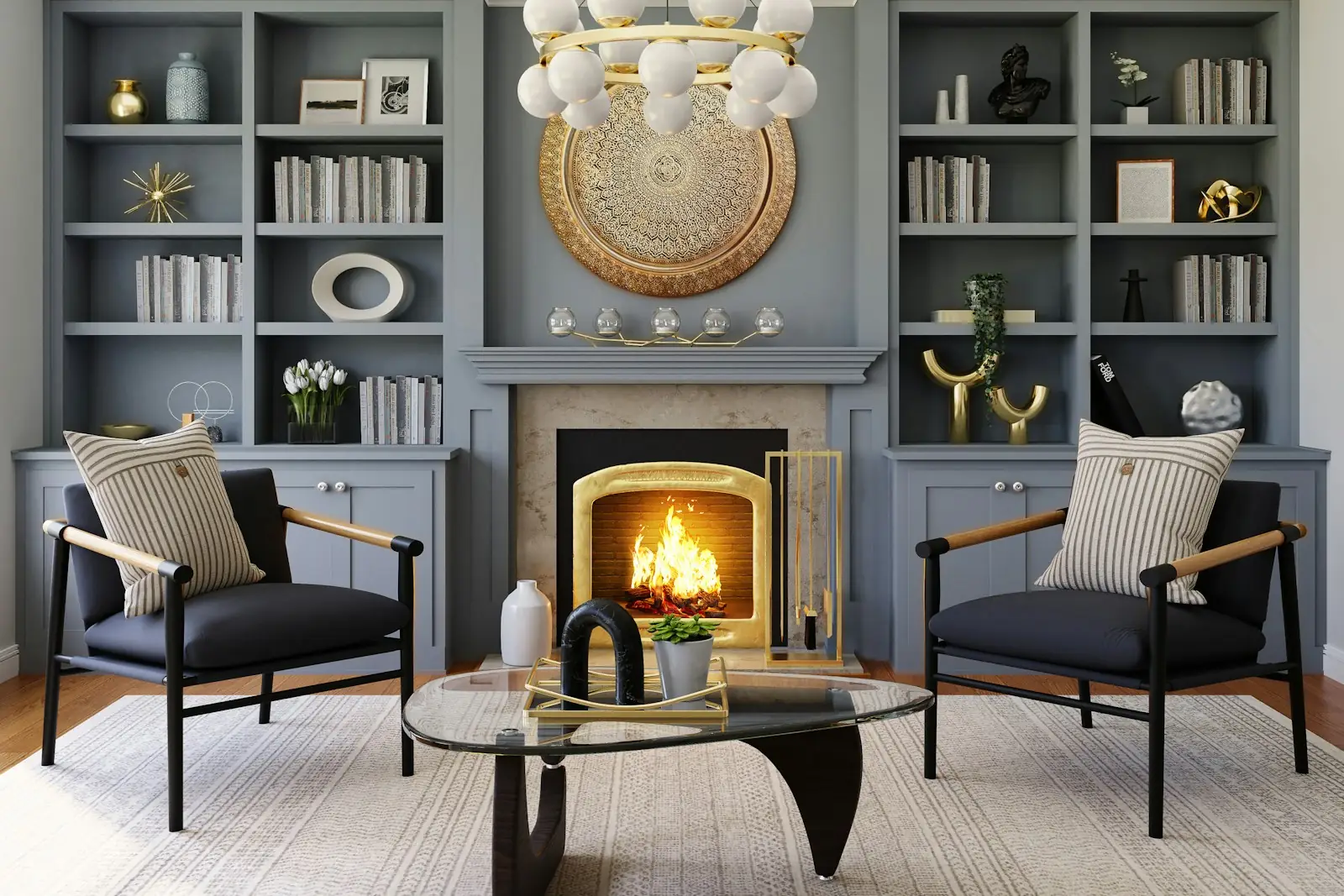
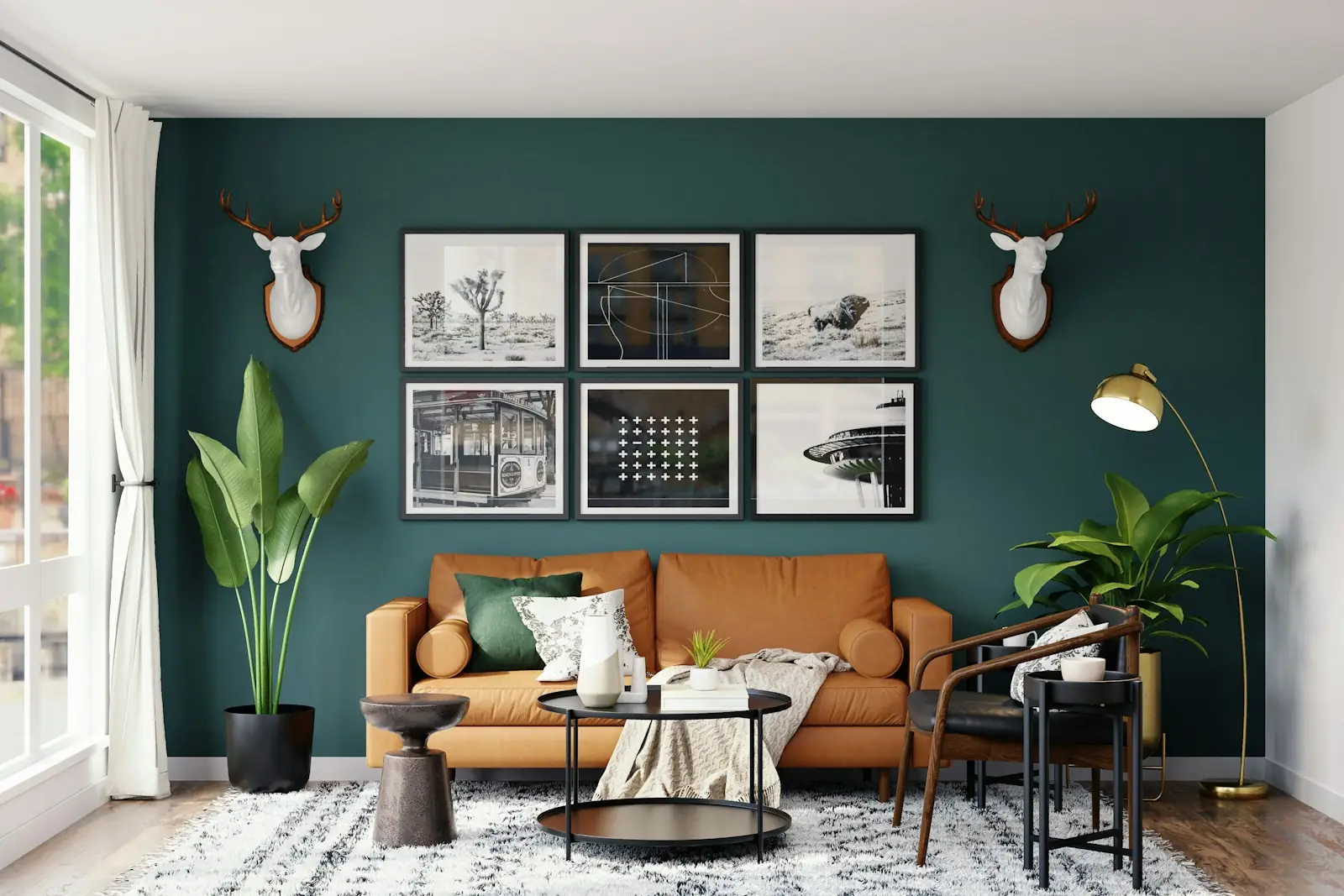
A feature wall works best when it's already the natural focal point of the room – the wall behind a bed, around a fireplace, behind a sofa or at the end of a dining table. Painting a random wall, or one broken up by doors and windows, tends to look accidental rather than deliberate.
It also helps if the wall has clean edges. Corners and straight ceiling lines make the colour look crisp; walls that run into a sloping ceiling or open archway can be harder to finish neatly.
What is colour drenching?
Colour drenching means painting everything in a room – walls, ceiling, skirting, doors and sometimes even radiators – in one colour, or in very close shades of one colour. It sounds dramatic, but it often makes a room feel calmer and larger, because there are no contrasting lines breaking it up.
It works particularly well in small rooms, studies, snugs, bedrooms and cloakrooms, and with mid to deep colours such as greens, blues, plums and warm earthy tones.
Why dark colours need more care
Deep colours are less forgiving than pale ones. Patchy coverage, missed bits and roller marks show up more, and dark colours over a light base usually need at least one extra coat. Cutting in has to be precise, because a wobbly line between a dark wall and a white ceiling is very noticeable.
That's why decorators often price bold colours a little higher – it's genuinely more work. It's money well spent on a finish you'll look at every day.
Rather leave it to a professional?
Describe the job and compare free quotes from painters and decorators near you.
- Free to use
- No obligation
- Compare local painters
- Quick online form
You'll continue to our quotes partner, MyJobQuote, to describe your painting job.
Light, lamps and finishes
Dark colours change dramatically with the light. Under warm lamps in the evening they look rich and cosy; in weak daylight they can look almost black. Testing a large patch and looking at it at different times of day is essential.
Matt finishes make dark colours look deep and velvety. Shinier finishes reflect more light, which shows up every imperfection in the wall – often not what you want with a strong colour.
Planning for a future change
Bold colour isn't forever. Going back to a lighter colour later is perfectly possible, but it may need a primer or an extra coat. That's worth knowing, not a reason to hold back.