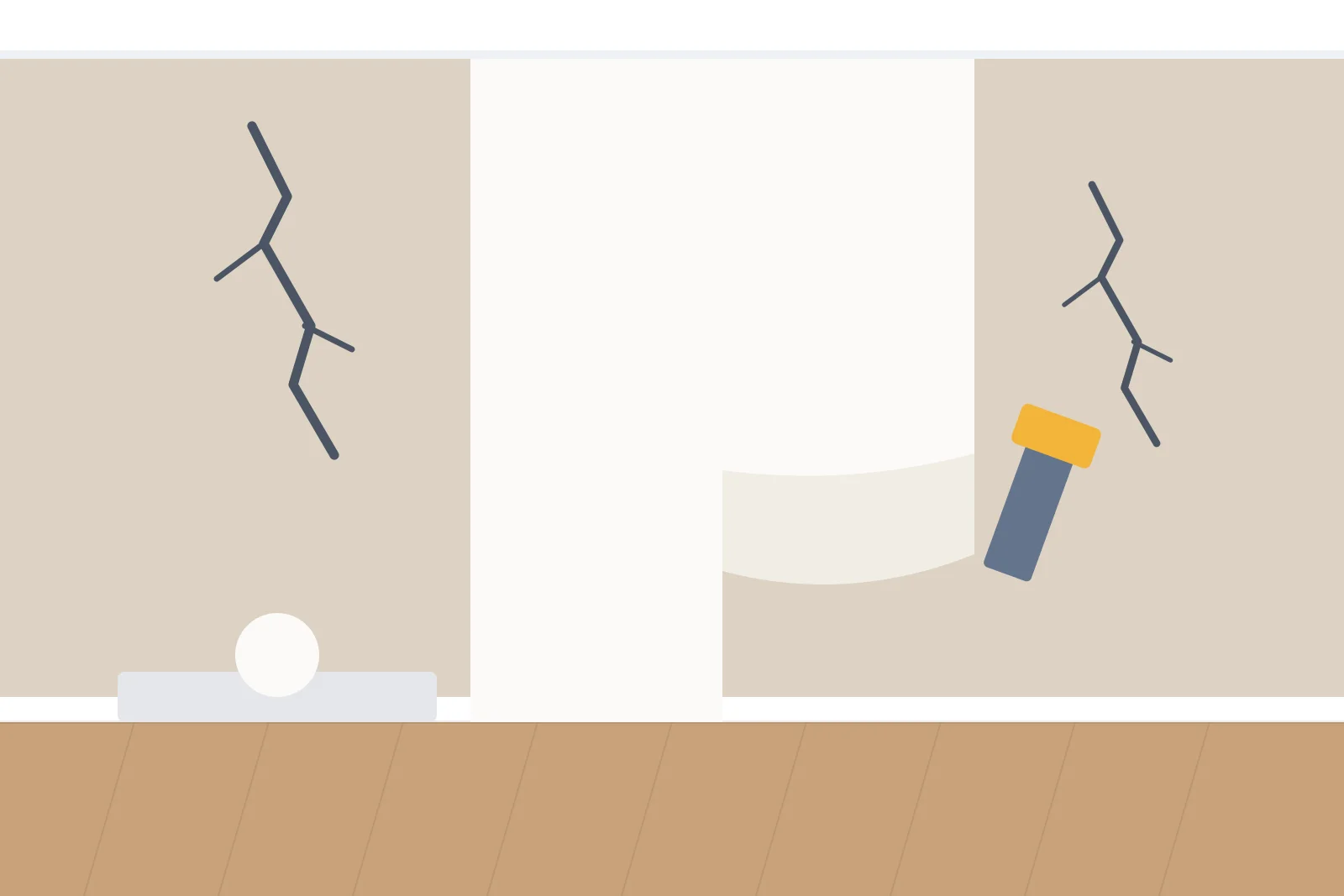
What lining paper is
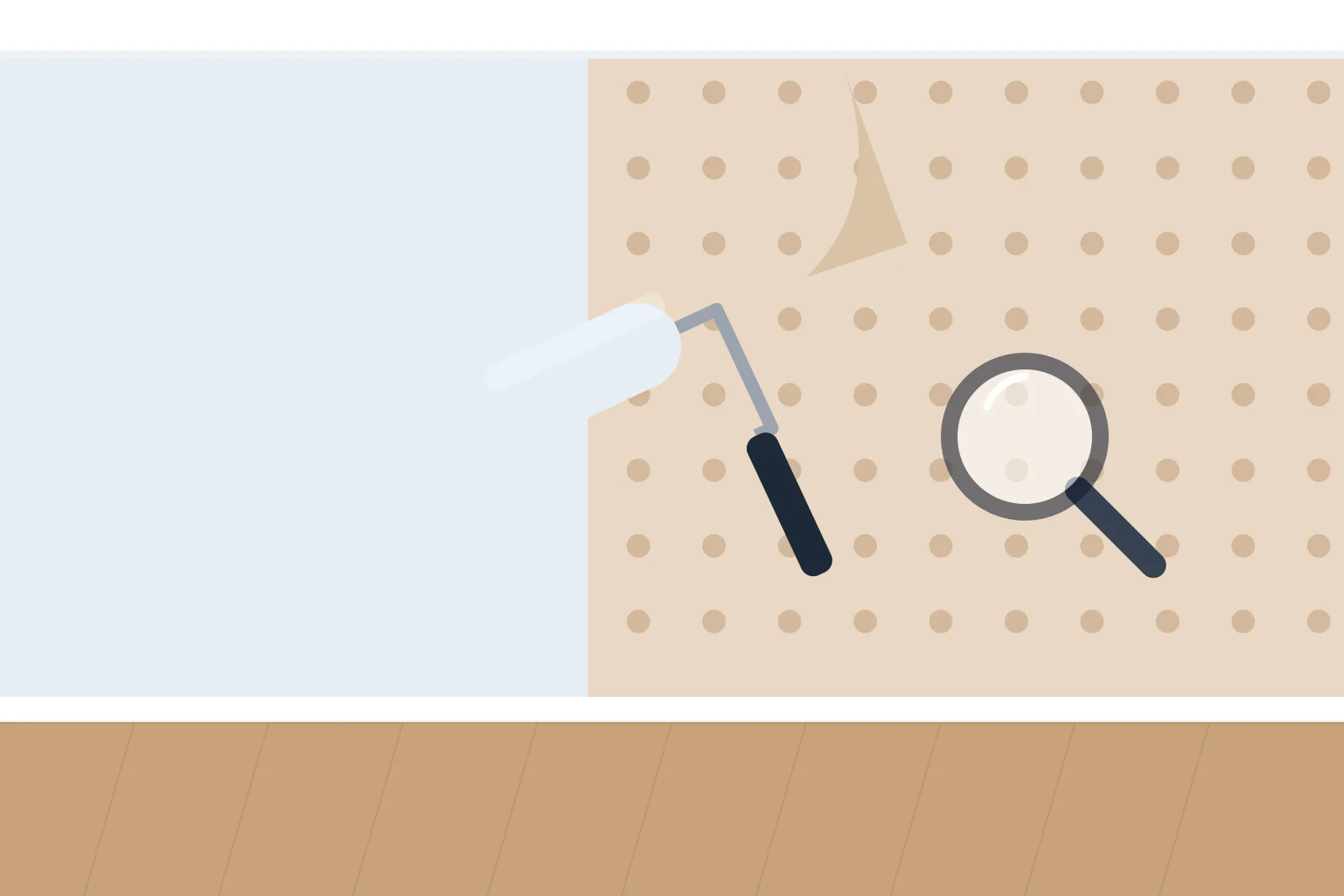
Lining paper is plain, smooth paper hung on walls and ceilings before painting or wallpapering. It comes in different thicknesses, called grades, measured in weight. Thicker grades hide more imperfections but are harder to hang. Once hung and painted, a well-papered wall looks like smooth plaster.
For painting, decorators usually hang lining paper vertically, like wallpaper. Under wallpaper, it's sometimes hung horizontally – called cross-lining – so the joints don't line up with the wallpaper joints.
When lining paper makes sense
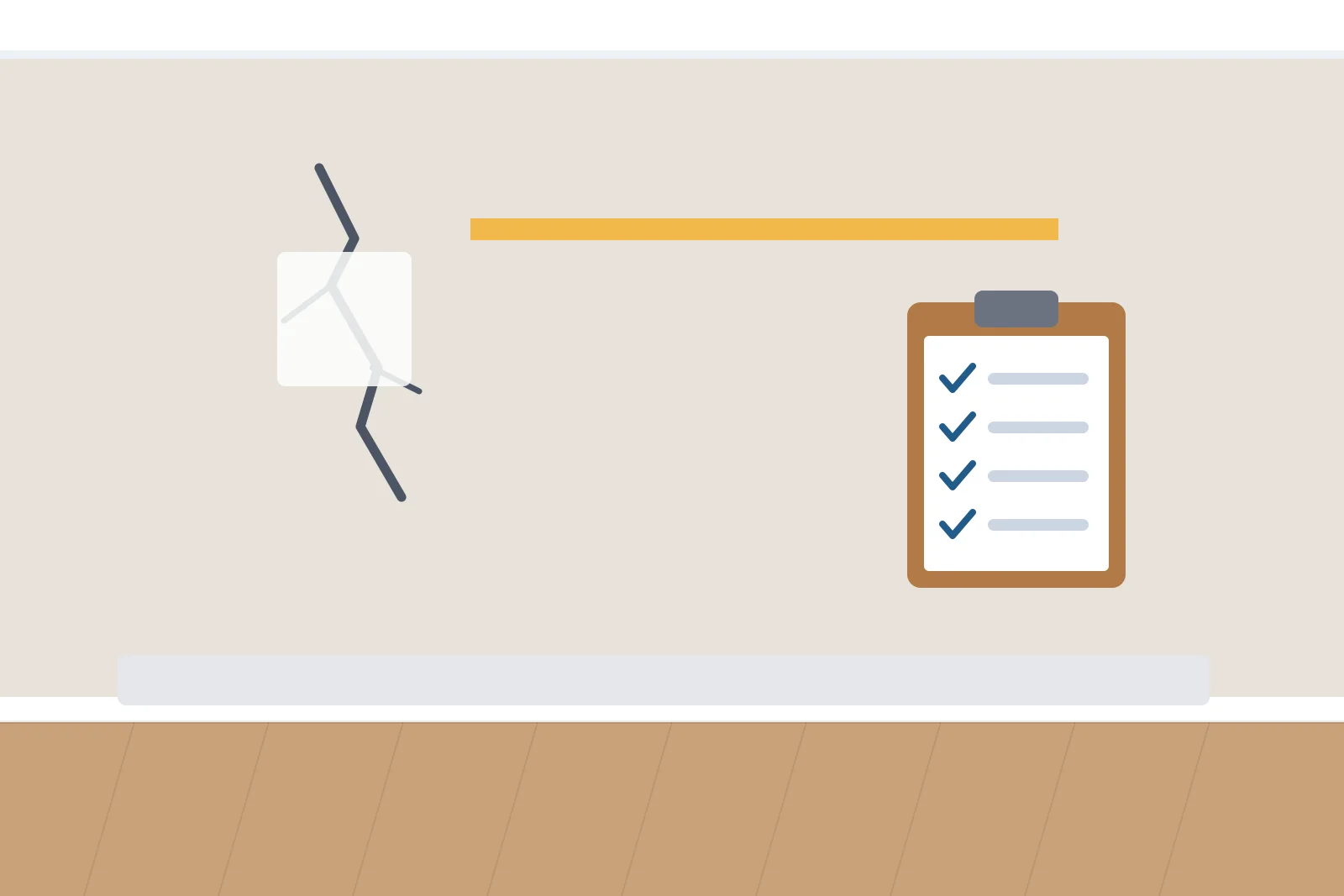
It's not a cure for damp, loose plaster or large holes. Those need proper repairs first. And on a wall that's badly out of flat, lining paper will follow the bumps rather than hide them.
- Old plaster with lots of fine cracks and patching
- Walls with uneven surfaces after wallpaper removal
- Ceilings with hairline cracks or slightly uneven boards
- Period homes where lime plaster is sound but crazed
- Rental properties that need a quick, durable refresh
- Walls that would otherwise need a full skim
Lining paper vs replastering
If the plaster is mostly sound but cosmetically poor, lining is often the better-value choice. If the plaster is loose, blown or badly uneven, replastering is the only real solution.
| Lining paper | Skim plaster | |
|---|---|---|
| Cost for a medium bedroom (walls) | £250 – £500 hung | £500 – £1,000 |
| Drying time before painting | Next day | 1–4 weeks |
| Hides fine cracks | Yes | Yes |
| Fixes uneven or hollow walls | No | Yes (with repairs) |
| Mess and disruption | Low | Higher |
Lining vs skimming a typical room (indicative 2026 prices)
Rather leave it to a professional?
Choosing a grade
Lining papers are commonly sold in grades from around 800 to 2000. Lighter grades (800–1000) are easier to hang and suit reasonably good walls and ceilings. Heavier grades (1200–2000) hide more imperfections and suit older walls, but are heavier to handle and need more paste. Many decorators use 1200 or 1400 as a good all-rounder.
There are also thick, textured or fibreglass lining products designed for very poor walls, and paintable non-woven papers that are easier to hang and remove.
Hanging and painting
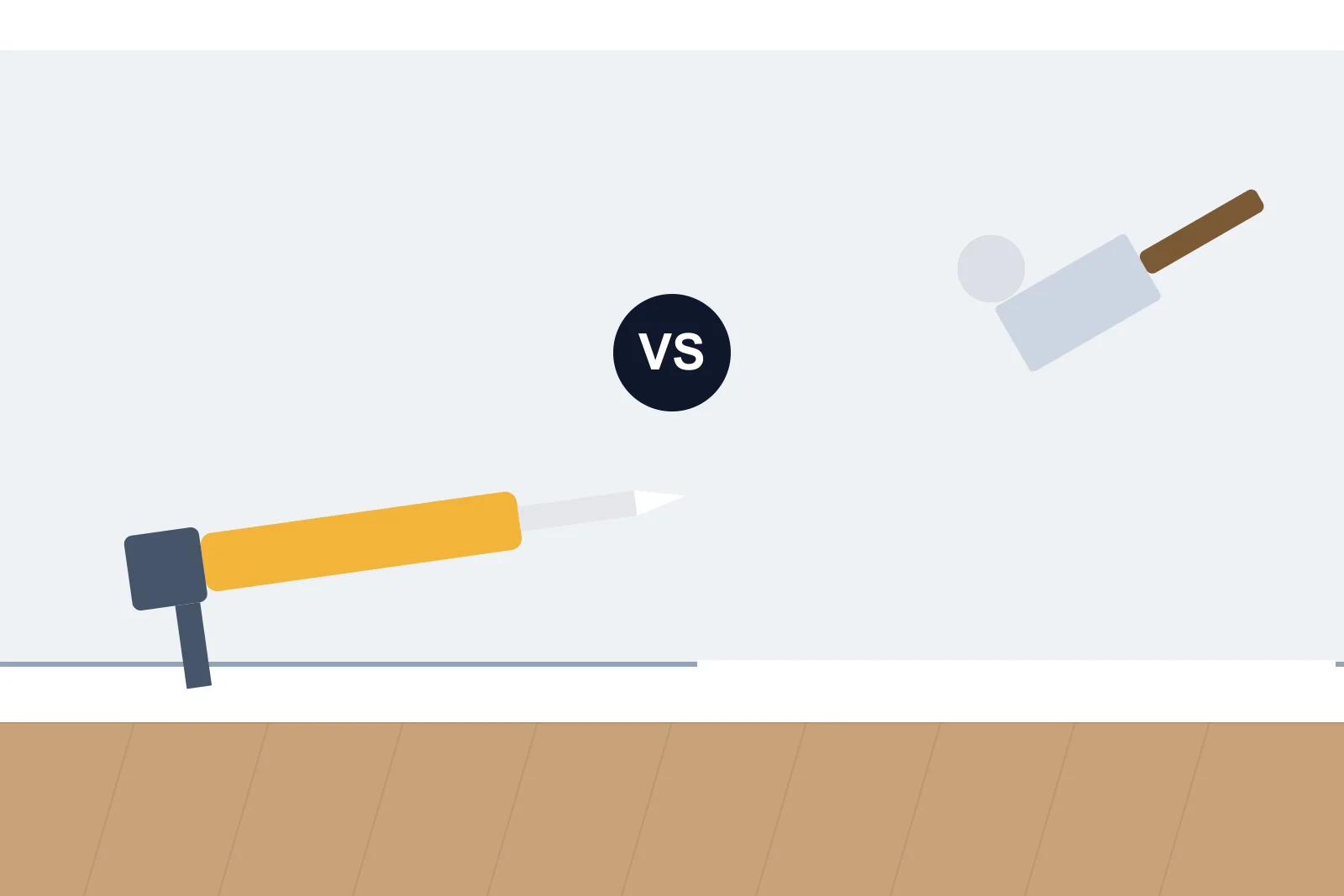
The wall is prepared first – loose material scraped off, holes filled and sanded, and the surface sized with diluted paste to help the paper slide and stick. Lining paper is hung with butt joints (edges touching, not overlapping). Once dry, decorators run a fine bead of caulk along the edges at ceilings and skirtings to give crisp lines, fill any slight gaps at joints, then paint.
The first coat of emulsion should be thinned slightly, and most lining papers need two to three coats in total. Use matt emulsion: silk finishes highlight joints.
Getting a quote
Decorators usually price lining by the roll or by the room. Ask whether the price includes sizing, filling, caulking and painting. If you're unsure whether to line or replaster, a decorator can usually tell by looking. Request quotes from local interior decorators, and see wallpaper or paint and can you paint over wallpaper.