The short answer
For most kitchens and bathrooms, a durable, moisture-resistant paint with a soft sheen or satin finish is the safest choice. Modern 'kitchen and bathroom' paints are also available in matt, which look more contemporary while still being washable and moisture-resistant. Standard matt emulsion, on the other hand, isn't designed for steamy rooms and will stain and mark quickly.
Understanding paint finishes
Sheen is the amount of light a paint reflects. Generally, the higher the sheen, the tougher and more washable the paint – but the more it shows imperfections in the wall.
| Finish | Look | Moisture & washability | Shows imperfections? |
|---|---|---|---|
| Standard matt | Flat, chalky | Low | Hides them well |
| Durable / kitchen & bathroom matt | Flat | Good | Hides them well |
| Soft sheen | Very subtle sheen | Good | Some |
| Satin / eggshell | Mid sheen | Very good | More |
| Silk | Noticeable shine | Good | Yes – clearly |
Paint finishes compared for kitchens and bathrooms
Why silk isn't always best
Silk was the traditional choice for kitchens and bathrooms because it's wipeable. But it highlights every bump and dent in the plaster, particularly with light from a window across the wall, and many people find it looks dated. Modern moisture-resistant matts and soft sheens have largely taken over.
Specialist kitchen and bathroom paints
Paints sold specifically for kitchens and bathrooms usually contain additives that resist moisture and protect the paint film from mould growth. They're also formulated to withstand repeated cleaning. They cost a little more than standard emulsion but are well worth it in these rooms.
Rather leave it to a professional?
Woodwork and ceilings
Bathroom ceilings take the most steam and are where mould often appears first. Use a moisture-resistant paint on the ceiling too. For woodwork – door, frame, skirting, boxed-in pipes – a satin or gloss finish is best.
If mould is already present, it needs treating before you paint. Our guide to damp and mould before painting explains how. If the problem keeps coming back, check that the extractor fan is actually working and clearing steam – a weak or broken fan is one of the most common causes.
Kitchens: grease and splashes
In kitchens, grease is the main problem. It builds up on walls around the hob, and paint won't stick to it. A decorator will degrease the walls thoroughly before painting, then apply a scrubbable finish. Behind the hob and sink, tiles or a splashback are better than paint.
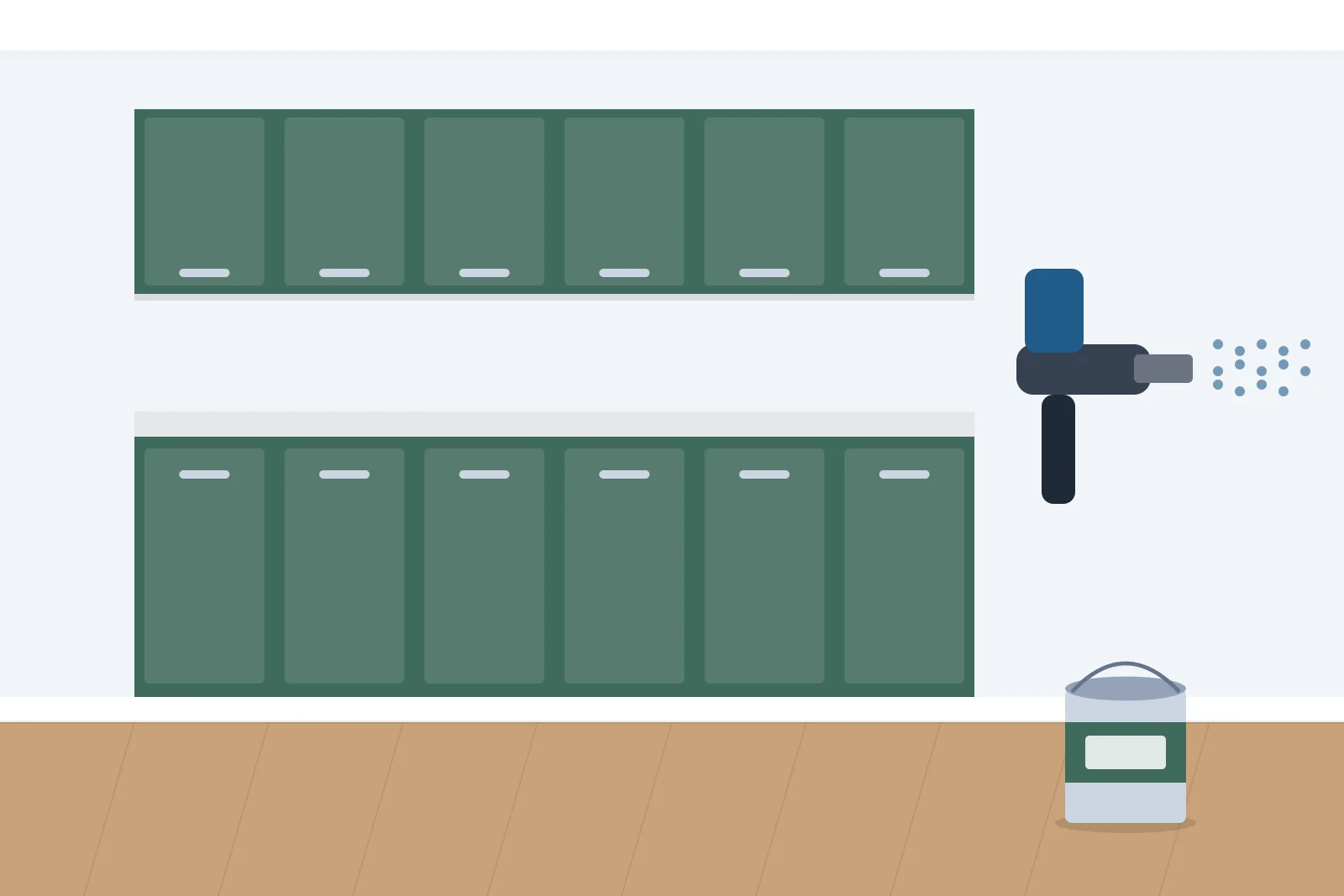
For kitchen cupboards, see our guide to the cost of painting kitchen cabinets.
What decorators recommend
Most decorators use a durable, moisture-resistant paint for kitchens and bathrooms, often in a soft sheen or matt, depending on the look you want. Ask your decorator what they'd recommend for your rooms. Our guide to paint finishes explained has more, and you can get quotes from local interior decorators.